A lot of patients ask the same question early in consultation – does jaw surgery make you look better, or does it simply change the way your face looks? That distinction matters. Corrective jaw surgery is not a cosmetic shortcut. It is a functional and structural procedure that can also create major aesthetic improvement when the jaws are out of balance.
For the right patient, jaw surgery can improve facial harmony, profile, chin position, lip support, smile show, and the way the lower face relates to the rest of the features. At the same time, the answer is not automatically yes for everyone. The outcome depends on your starting anatomy, the type of jaw discrepancy, the surgical plan, and whether your goals are realistic.
Does jaw surgery make you look better or just different?
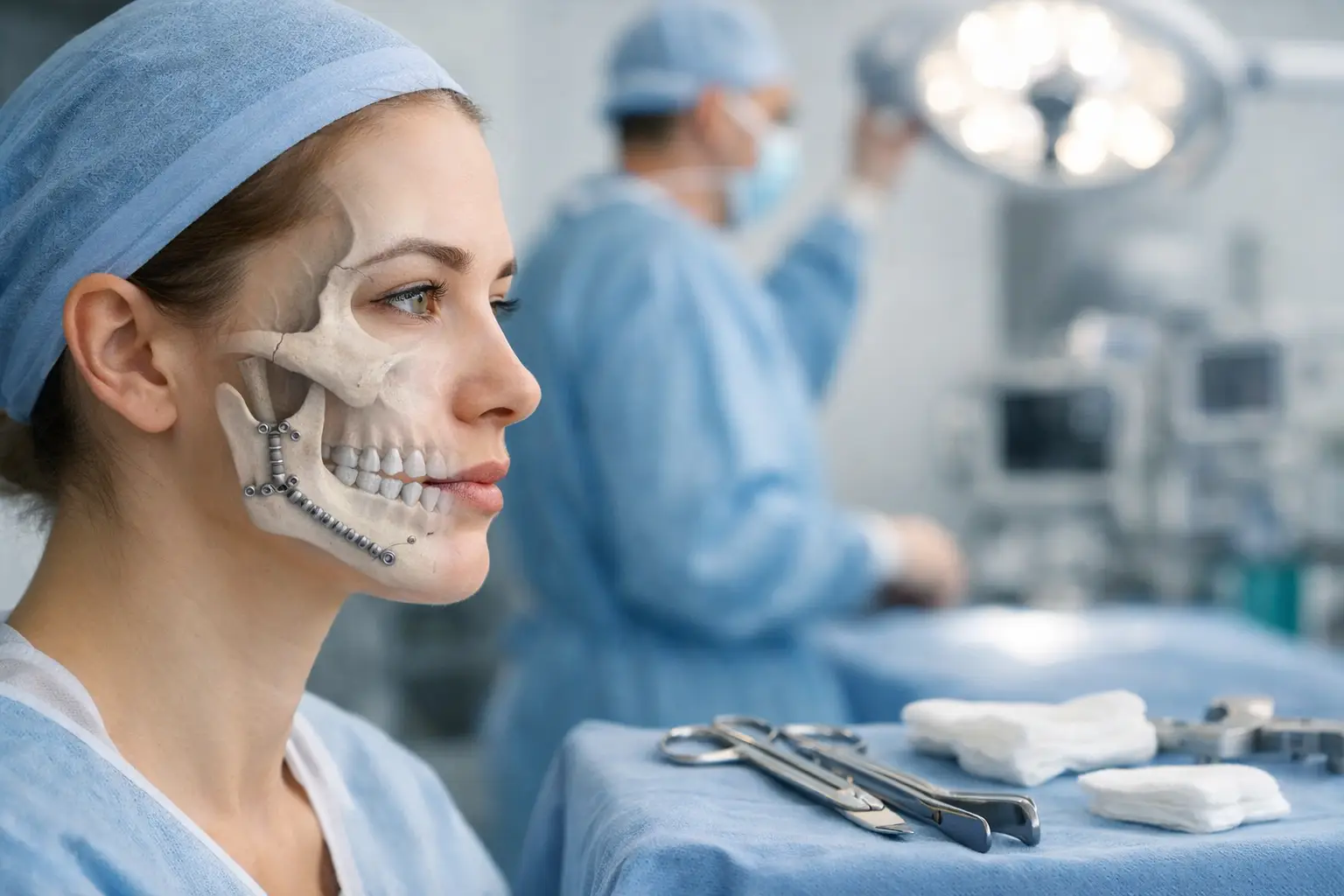
In many cases, patients look better because the surgery moves the facial skeleton into a more proportionate position. The face is built on bone. When the upper jaw is too far back, the lower jaw is too prominent, the chin is weak, or the jaws are vertically imbalanced, the soft tissues overlying them can appear strained, flat, heavy, or asymmetrical.
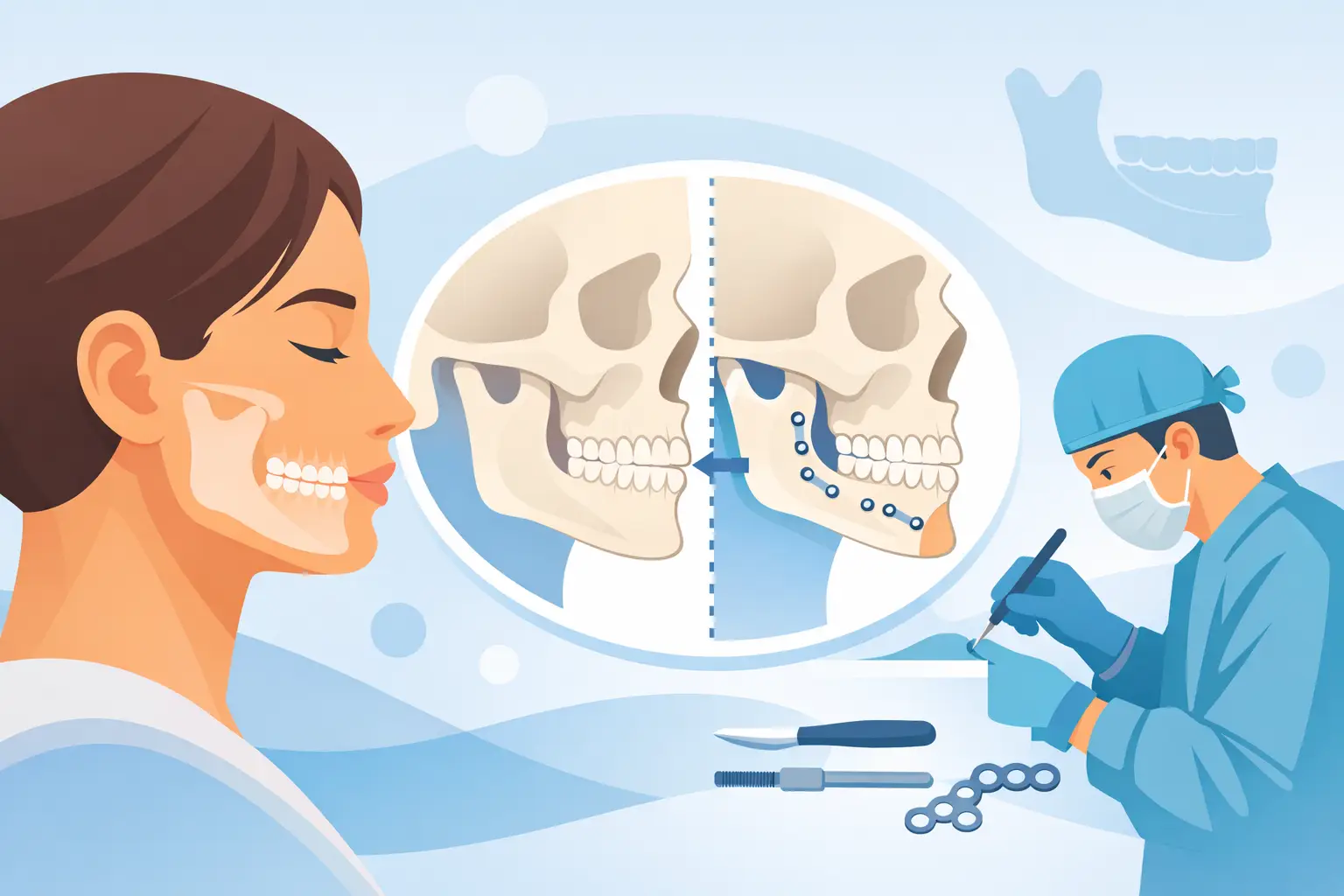
Orthognathic surgery addresses the foundation. By repositioning one or both jaws, the surgeon can correct the relationship between the teeth, jaws, and facial soft tissues. That often leads to a more balanced appearance rather than an artificial or exaggerated one.
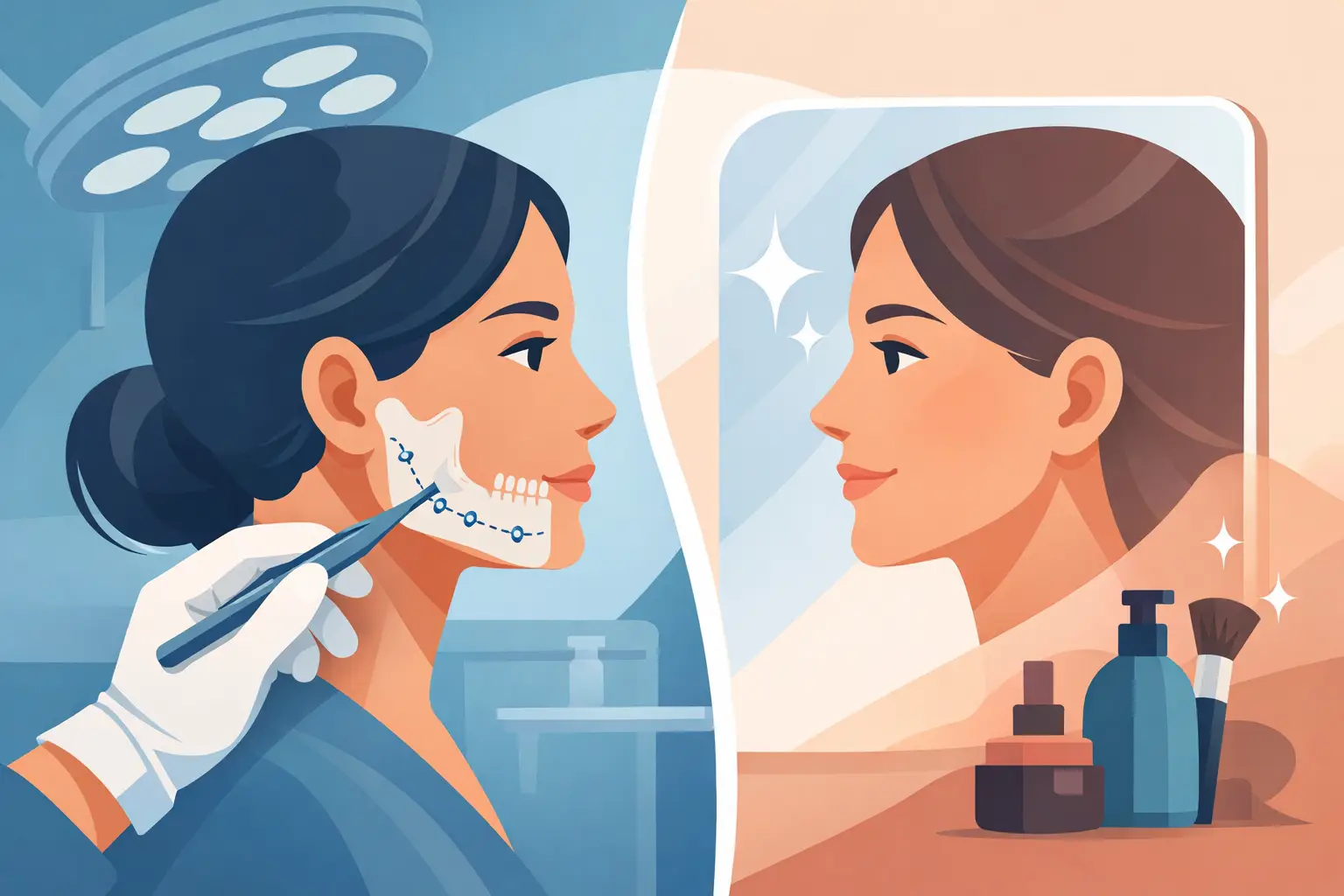
This is why people sometimes describe the result as looking more rested, more proportional, or more like themselves. The best outcomes do not make a patient look unrecognizable. They usually make the face appear more coherent.
How jaw position affects facial appearance
Most people think of the jaws mainly in terms of bite. In reality, jaw position strongly influences facial aesthetics.
A recessed lower jaw can make the chin and neck look less defined. It may also cause the nose to seem more prominent, even when the nose itself has not changed. An overly prominent lower jaw can create a strong or imbalanced profile and place tension on the lips. A deficient upper jaw can flatten the midface, reduce upper tooth show, and affect smile aesthetics. Vertical problems, such as a long face pattern or excess gum show, can also be improved by carefully planned jaw repositioning.
When these skeletal issues are corrected, the visual changes can be significant. Patients often notice improvement in profile view first, but front-view changes are also important. Better symmetry, reduced lower facial strain, improved lip competence, and a more natural resting expression can all contribute to looking better.
Common appearance changes after orthognathic surgery
The exact changes vary, but several patterns are common. Advancing a small lower jaw can strengthen the chin-neck line and improve side profile. Repositioning the upper jaw can improve smile display and support of the upper lip. Correcting facial asymmetry can make the face look more even and less tilted. Adjusting vertical jaw excess can reduce excessive gum show and create better lower facial proportion.
These are not superficial adjustments. They happen because the underlying skeleton has changed position, which then changes the way soft tissue drapes across the face.
Why the answer depends on your diagnosis
Jaw surgery is highly individualized. Two patients may both ask whether jaw surgery will improve appearance, but their answers may be very different.
A patient with a severe underbite and facial asymmetry often sees a noticeable aesthetic improvement because the imbalance is substantial and surgically correctable. A patient with a mild bite issue and relatively balanced facial proportions may see more subtle visual change. Someone whose main concern is skin quality, facial aging, or nose shape may not get the result they are hoping for from jaw surgery alone.
This is why specialist assessment matters. A thorough evaluation looks at facial proportions, dental occlusion, airway considerations, jaw joint health, and soft tissue response. The goal is not simply to move bone. It is to decide whether surgery will improve both function and facial balance in a way that suits the individual patient.
Functional benefits often support the aesthetic result
One of the biggest misunderstandings about orthognathic surgery is that aesthetics and function are separate. In many cases, they are closely related.
A patient with a severe overbite may struggle with chewing, speech, or lip closure. A patient with a recessed jaw may also have airway compromise or obstructive sleep apnea. Someone with facial asymmetry may have a misaligned bite that causes uneven loading of the teeth and jaw muscles. Correcting these structural issues can improve the way the face looks because the face also functions in a more balanced way.
That is an important difference between jaw surgery and treatments that only camouflage the problem. Orthodontics alone can align teeth, but it cannot fully correct a skeletal discrepancy in a nongrowing patient. Fillers or chin augmentation may help selected cases, but they do not address the bite, airway, or jaw relationship when the discrepancy is more complex.
What makes jaw surgery results look natural
Natural-looking results come from planning, proportion, and restraint. The objective is not to create a generic ideal face. It is to improve harmony while respecting the patient’s anatomy, ethnicity, age, and individual features.
Modern surgical planning uses detailed imaging, bite analysis, clinical photography, and virtual surgical simulation to predict movement and assess likely soft tissue change. This allows a more precise approach to both function and aesthetics.
Patients are often reassured to learn that experienced oral and maxillofacial surgeons do not plan jaw surgery around one isolated feature. The jaws are evaluated as part of the entire face. Small differences in movement can affect chin projection, lip posture, tooth display, and lower facial height. Good planning considers all of these relationships together.
Does jaw surgery always improve attractiveness?
Not always, and it is better to say that clearly. Attractiveness is partly subjective, and surgery cannot guarantee a universal beauty standard. What it can do is improve structural balance when a jaw discrepancy is contributing to facial disharmony.
For many patients, that leads to a more attractive appearance. For others, the most meaningful result is that they no longer look strained, asymmetrical, or out of proportion. The improvement may be obvious to the patient and surgeon even if friends simply say they look healthier or more confident.
The trade-offs patients should understand
Jaw surgery is a major procedure. Even when the expected aesthetic and functional gains are strong, it requires serious consideration.
There is swelling, recovery time, a temporary change in routine, and the need for orthodontic coordination in many cases. Final appearance is not visible immediately because early swelling can mask results. Numbness in certain areas may occur and can take time to improve. As with any surgery, there are risks that need to be discussed in detail during consultation.
This is why the decision should never be based only on a hope of looking better. The best candidates are patients with a clear diagnosis, a genuine structural indication, and an understanding of both the benefits and the demands of treatment.
Who is most likely to be happy with the aesthetic outcome?
Patients tend to be happiest when they have a real skeletal discrepancy and realistic expectations. They usually want more than a cosmetic change. They want their bite corrected, their breathing improved, their asymmetry addressed, or their facial proportions normalized.
They also understand that improvement does not mean perfection. Every face has natural variation. The aim is balance, stability, and a result that feels right for that individual.
At a specialist practice such as Aesthetic Reconstructive Jaw Surgery, this process starts with diagnosis rather than sales language. That matters because the right treatment plan sometimes includes jaw surgery, and sometimes it does not. A trustworthy assessment should explain both possibilities.
When jaw surgery may not be the right path
If the underlying issue is minor, surgery may be disproportionate to the problem. If the concern is mainly about soft tissue aging, skin laxity, or a feature unrelated to jaw position, another treatment may be more appropriate. Some patients also benefit from orthodontics alone, depending on the severity and type of discrepancy.
There are also cases where a patient wants surgery to solve broader confidence concerns that go beyond facial structure. Surgery can improve anatomy, but it should not be expected to resolve every emotional or social worry. A careful consultation helps distinguish a strong surgical indication from a poor fit.
The most useful way to think about this question is not whether jaw surgery makes every person look better. It is whether correcting your specific jaw problem is likely to improve the way your face functions and appears. When the diagnosis is right and the planning is precise, the answer is often yes – and in a way that looks balanced, natural, and long-lasting.