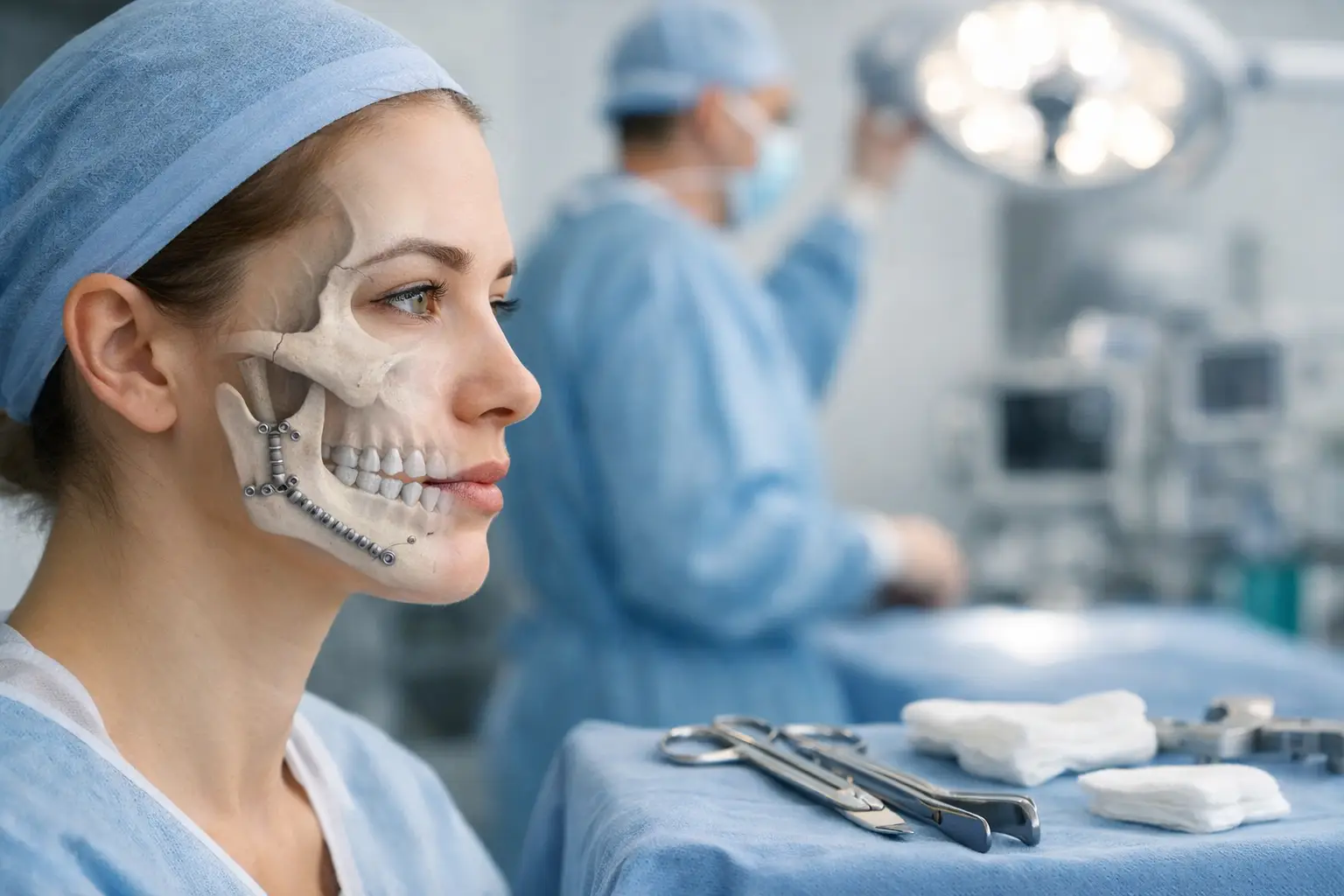
Jaw surgery, medically known as orthognathic surgery, corrects skeletal abnormalities of the jaw and facial bones. These procedures address functional problems like severe bite misalignment, breathing difficulties, and temporomandibular joint (TMJ) disorders.
Modern orthognathic surgery combines precision planning with surgical techniques. Surgeons use 3D imaging and computer modelling to plan movements down to the millimetre. The procedures correct conditions that orthodontics alone cannot address – when the underlying bone structure, not just tooth position, requires modification.
Jaw Surgery Is Only Cosmetic
The Reality: Orthognathic surgery primarily addresses functional problems that impact daily life. Patients undergo these procedures to correct severe bite problems (malocclusion), chronic jaw pain, sleep apnea, and difficulty chewing or speaking.
Medical indications for jaw surgery include:
- Class II or III malocclusion, where teeth cannot meet properly
- Open bite conditions prevent normal closure
- Facial asymmetry affecting jaw function
- Airway obstruction from a retrognathic (recessed) jaw position
- TMJ disorders are unresponsive to conservative treatment
Insurance coverage often reflects this medical necessity. Many insurance plans cover orthognathic surgery when specific functional criteria are met, such as documented difficulty eating, chronic pain, or sleep-disordered breathing. The aesthetic improvements that accompany functional correction are secondary benefits, not the primary goal.
Surgeons evaluate each case through a comprehensive examination, including bite analysis, joint assessment, and airway evaluation. Treatment planning focuses on restoring normal function first, with appearance improvements naturally following proper skeletal alignment.
Recovery Takes Many Months of Complete Rest
The Reality: While initial healing requires rest, most patients return to light activities within 2-3 weeks and resume everyday routines by 6-8 weeks post-surgery.
The recovery timeline typically follows this pattern:
- Week 1-2: Soft diet, minimal talking, rest at home
- Week 3-4: Gradual return to work or school, continued soft diet
- Week 6-8: Normal activities resume, diet restrictions ease
- Months 3-6: Complete bone healing occurs internally
Modern surgical techniques minimise recovery time compared to older methods. Surgeons now use specialised instruments that reduce tissue trauma and promote faster healing. Rigid fixation with titanium plates eliminates the need for jaw wiring in most cases, allowing patients to open their mouths and speak normally soon after surgery.
Physical therapy exercises begin within days of surgery to maintain jaw mobility and prevent stiffness. These gentle movements, guided by the surgical team, actually speed recovery rather than hinder it. Patients who follow their exercise protocol consistently experience less discomfort and a faster return to normal function.
Pain management has also evolved. Multi-modal approaches combining different medications minimise discomfort while reducing reliance on any single drug. Most patients manage well with prescribed medications for the first week, then transition to over-the-counter options.
The Jaw Gets Wired Shut for Weeks
The Reality: Contemporary orthognathic surgery rarely requires extended jaw wiring. Surgeons secure the repositioned bones with titanium plates and screws, providing immediate stability without external immobilisation.
Traditional jaw wiring, once standard practice, has largely been replaced by:
- Rigid internal fixation using biocompatible titanium
- Self-drilling screws that minimise bone trauma
- Pre-bent plates customised to each patient’s anatomy
- Resorbable materials for specific applications
When surgeons do use elastic bands postoperatively, these serve different purposes than traditional wiring. Light elastics guide the bite into proper position during healing and can be removed for eating and hygiene. Patients can speak normally and maintain oral hygiene throughout recovery.
Some complex cases may require brief periods of more restrictive elastics, typically lasting days rather than weeks. Even in these situations, the bands differ from rigid wiring – they allow some movement and can be temporarily removed under specific circumstances.
The elimination of prolonged jaw wiring has transformed patient recovery experiences. Nutrition improves when patients can consume adequate calories through a varied soft diet. Oral hygiene maintenance prevents complications, and psychological well-being benefits from the ability to communicate normally.
Only Young People Can Have Jaw Surgery
The Reality: Orthognathic surgery successfully treats patients across a wide age range, from late teens through middle age and beyond. The determining factors are overall health status and specific anatomical needs, not chronological age alone.
Adult patients often seek jaw surgery after years of compensatory treatments. Common scenarios include:
- Progressive bite deterioration despite orthodontic treatment
- Increasing TMJ symptoms unresponsive to conservative care
- Sleep apnea development requires skeletal advancement
- Facial trauma sequelae requiring delayed reconstruction
Bone healing in healthy adults proceeds predictably, though slightly slower than in younger patients. Surgeons adjust surgical techniques and postoperative protocols accordingly. Pre-surgical orthodontics may take longer in adults due to denser bone, but outcomes remain positive.
Medical evaluation for older patients focuses on:
- Cardiovascular health and anaesthesia risk assessment
- Bone density evaluation when indicated
- Medication review for drugs affecting healing
- Nutritional status optimisation before surgery
Many adults report wishing they had pursued surgery earlier, but express satisfaction with outcomes regardless of when they proceed. The combination of functional improvement and quality-of-life enhancement justifies treatment at any appropriate age.
Results Are Unpredictable and Risky
The Reality: Modern jaw surgery achieves predictable results through planning technology and refined surgical techniques. Surgeons use virtual surgical planning (VSP) to simulate the entire procedure before entering the operating room.
The planning process incorporates:
- High-resolution CT scanning for precise bone visualisation
- Digital modelling of proposed jaw movements
- 3D-printed surgical guides ensure accurate positioning
- Mock surgery on printed models when needed
This technology allows surgeons to anticipate challenges and optimise outcomes before surgery begins. Patients can visualise their predicted results during consultation, understanding both possibilities and limitations.
Surgical precision has improved with computer-assisted techniques. Cutting guides ensure accurate bone cuts. Positioning guides place jaw segments exactly as planned. Custom plates pre-bent to the virtual plan minimise operative time and improve accuracy.
Risk mitigation strategies include:
- Comprehensive preoperative assessment identifying potential complications
- Nerve mapping technology protects sensory function
- Minimally invasive approaches when appropriate
- Experienced surgical teams specialising in orthognathic procedures
Complication rates remain low in experienced hands. Temporary numbness affects many patients but typically resolves within months. Infection rates stay minimal with appropriate antibiotic protocols. Major complications remain rare.
Insurance Never Covers Jaw Surgery
The Reality: Many insurance plans cover medically necessary jaw surgery when specific functional criteria are met. Documentation of functional impairment remains critical to securing coverage.
Insurance typically considers coverage for:
- Documented malocclusion interfering with eating
- Sleep apnea cases where jaw advancement improves the airway
- TMJ dysfunction is unresponsive to conservative treatment
- Facial deformities affecting speech or breathing
- Post-traumatic reconstruction needs
The approval process requires thorough documentation, including:
- Clinical photographs and radiographs
- Detailed functional assessment reports
- Failed conservative treatment documentation
- Sleep study results, when applicable
- Orthodontist and surgeon treatment plans
Pre-authorisation processes vary between insurers but follow similar patterns. Surgical teams experienced in insurance navigation help patients compile necessary documentation. Appeals processes exist when initial requests face denial.
Coverage typically includes:
- Surgical fees and hospital costs
- Anesthesia services
- Initial post-operative care
- Related orthodontic treatment in many cases
Patients should understand their specific policy benefits and work with their surgical team’s insurance coordinator throughout the process.
Commonly Asked Questions
How long after jaw surgery can I eat normally?
Diet progression typically moves from liquids to soft foods over 6-8 weeks. Initial weeks require blended or liquid nutrition. By week 3-4, soft foods like scrambled eggs and mashed potatoes become possible. Most patients resume regular diets by week 8, though hard or chewy foods may require additional time.
Will I permanently lose feeling in my face?
Temporary numbness commonly affects the lower lip and chin area, resulting from nerve manipulation during surgery. Sensation typically returns gradually over 3-6 months. Permanent numbness remains rare, affecting small areas in a minority of patients. Surgeons use nerve-monitoring techniques to minimise this risk.
Can jaw surgery be combined with other procedures?
Surgeons frequently combine orthognathic surgery with related procedures. Common combinations include genioplasty (chin surgery), rhinoplasty for facial harmony, and wisdom tooth removal. Combining procedures reduces overall recovery time and anaesthesia exposure while achieving comprehensive results.
How do I know if I’m a candidate for jaw surgery?
Candidates typically present with functional problems unresponsive to orthodontics alone. These include severe overbites or underbites, facial asymmetry, chronic jaw pain, or sleep apnea. Initial evaluation involves clinical examination, imaging studies, and often coordination with an orthodontist.
What happens if I don’t have surgery when recommended?
Untreated jaw abnormalities often progress, leading to increased tooth wear, TMJ deterioration, and worsening facial aesthetics. Some patients develop compensatory problems in neck and shoulder muscles. Sleep apnea cases may worsen, affecting overall health.
Next Steps
Modern jaw surgery techniques deliver predictable results with manageable recovery periods for patients with severe jaw abnormalities.
If you’re experiencing chronic jaw pain, severe bite problems, or sleep issues related to jaw position, our oral and maxillofacial surgeons can provide comprehensive evaluation and treatment options.