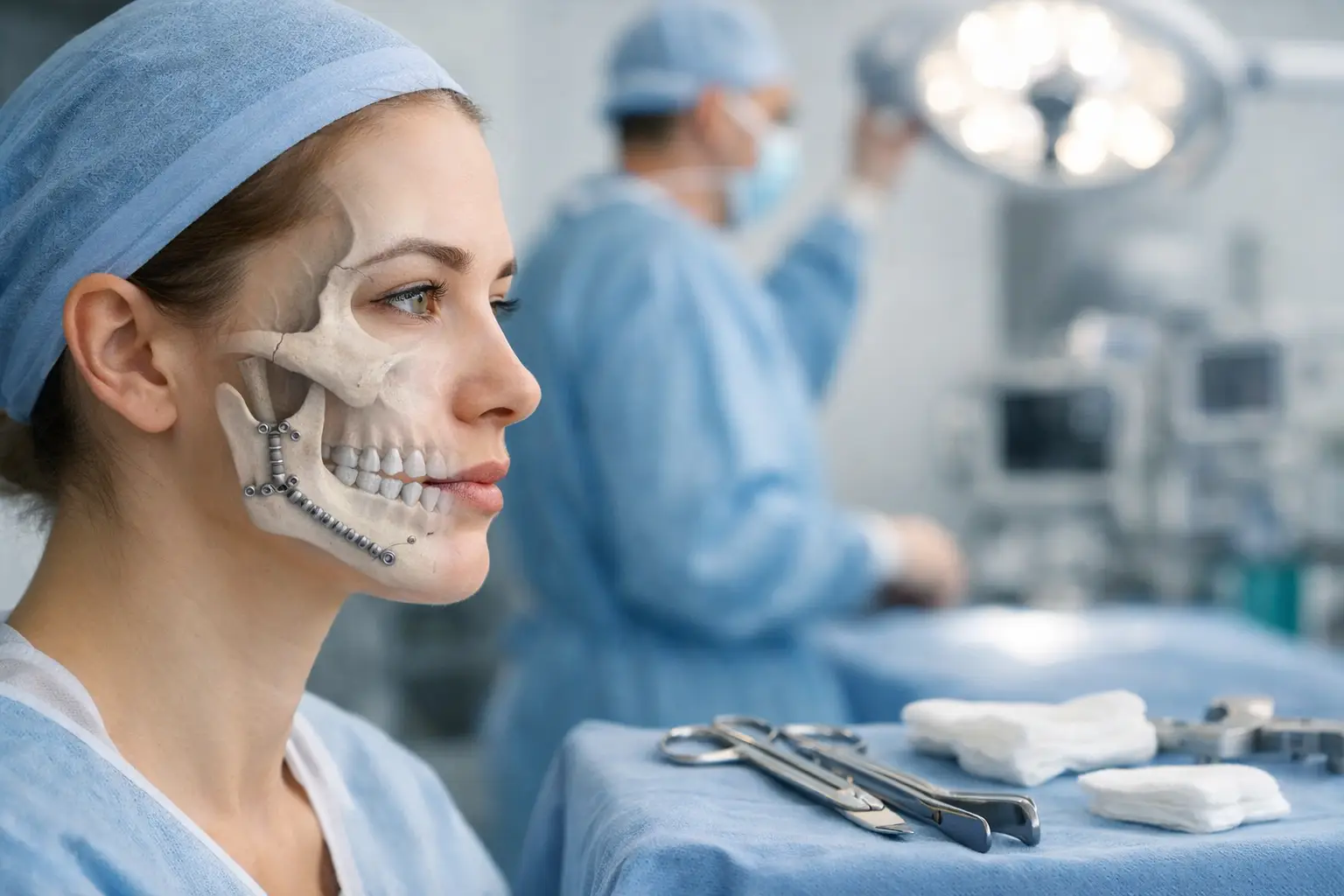
Jaw clicking occurs when the temporomandibular joint (TMJ) produces audible sounds during movement. The TMJ functions as a sliding hinge connecting your jawbone to your skull, with a small disc cushioning the joint space. When this disc shifts position or joint mechanics are altered, clicking sounds occur during activities such as chewing, yawning, or speaking.
The clicking sensation often accompanies a catch-and-release movement pattern. Your jaw may hesitate momentarily before completing its motion, producing both a sound and a physical sensation. This mechanical disruption can occur on one or both sides of the jaw, with varying frequencies throughout the day.
TMJ disorders affect the complex system of muscles, ligaments, discs, and bones that enable jaw movement. While occasional clicking without pain may not require immediate treatment, persistent clicking, combined with other symptoms, often indicates underlying structural or functional problems that require professional evaluation.
Understanding TMJ Anatomy and Function
The temporomandibular joint contains several components working in precise coordination. The articular disc sits between the temporal bone and mandibular condyle, acting as a shock absorber during jaw movements. Surrounding muscles, including the masseter, temporalis, and pterygoid muscles, control opening, closing, and side-to-side movements.
Normal jaw function involves the smooth, coordinated movement of both TMJs. The disc glides forward when opening the mouth and returns to position when closing. Ligaments maintain proper alignment while allowing flexibility for various movements required during eating and speaking.
Clicking sounds are typically caused by disc displacement. The disc may slip forward from its normal position, creating a clicking sound when it snaps back into place during jaw movement. This displacement can progress from normal clicking to limited jaw opening if left unaddressed.
Common Causes of Jaw Clicking
Disc Displacement
The articular disc can become displaced anteriorly (forward) due to ligament laxity or muscle imbalances. During mouth opening, the condyle must pass over the displaced disc edge, producing an audible click. The disc then recaptures its position, often producing another click during closing.
Progressive disc displacement may lead to “closed lock,” a condition in which the jaw cannot open fully. The displaced disc blocks normal condylar movement, restricting mouth opening to 20-30mm compared to the normal 40-50mm range.
Arthritis and Joint Degeneration
Osteoarthritis affects the TMJ through cartilage breakdown and bone changes. The smooth joint surfaces become irregular, creating grinding or crepitus sounds rather than distinct clicks. These degenerative changes often develop gradually, with symptoms worsening during periods of increased jaw use.
Rheumatoid arthritis can cause inflammatory changes in the TMJ, leading to joint destruction and altered mechanics. Morning stiffness lasting more than 30 minutes often accompanies the clicking in inflammatory conditions.
Trauma and Injury
Direct impact to the jaw from accidents or sports injuries can damage TMJ structures. Whiplash-type movements may stretch ligaments beyond their normal range, creating joint instability. Even seemingly minor trauma can initiate disc displacement or capsular damage.
Microtrauma from chronic teeth grinding (bruxism) or clenching creates repetitive stress on TMJ structures. Night-time bruxism applies forces exceeding normal chewing pressure, gradually wearing down joint surfaces and stretching supportive tissues.
Malocclusion and Bite Problems
Improper tooth alignment forces the jaw to adapt to abnormal positions during function. Class II malocclusions (overbite) and Class III malocclusions (underbite) place different stress patterns on the TMJs. Crossbites create asymmetric loading, potentially causing clicking on one side.
Missing teeth alter bite dynamics, forcing remaining teeth and joints to compensate. The TMJ may shift position to achieve tooth contact, straining joint structures over time.
Associated Symptoms
Jaw pain often accompanies clicking, ranging from sharp sensations during specific movements to dull, constant aching. Pain may localise to the joint area or radiate to surrounding structures, including temples, ears, and neck muscles.
Limited jaw movement manifests as difficulty opening wide enough for normal activities. Eating larger foods becomes challenging, and dental procedures requiring prolonged opening cause discomfort. Some individuals develop compensatory movements, tilting the head or shifting the jaw to the side to achieve greater opening.
Muscle fatigue develops from overworked jaw muscles attempting to stabilise dysfunctional joints. Facial muscles may feel tired after minimal use, with increased symptoms toward the day’s end. Morning jaw stiffness indicates overnight clenching or grinding activities.
💡 Did You Know?
The TMJ is the only joint in the human body where the right and left sides must work together as a unit – dysfunction on one side inevitably affects the other.
Red Flag Symptoms
Sudden inability to close the mouth completely (open lock) requires immediate attention. The condyle becomes trapped in front of the articular eminence, preventing normal closure. Manual manipulation by a trained professional may be necessary to reduce the dislocation.
Progressive limitation in jaw opening over days to weeks suggests disc displacement without reduction. Opening may decrease from the normal range to less than two finger widths, significantly impacting eating and oral hygiene.
Facial swelling around the TMJ may indicate an infection or an inflammatory process and requires prompt evaluation. Fever accompanying TMJ symptoms suggests systemic involvement needing immediate medical attention.
Changes in bite alignment where teeth no longer fit together properly may indicate joint destruction or significant disc displacement. This altered occlusion can develop gradually or occur suddenly after trauma.
Diagnostic Evaluation
Clinical examination includes measuring maximum mouth opening, lateral movements, and protrusion. Normal opening ranges from 40-50mm, with lateral movements of 8-10mm. Palpation of the joint and muscles identifies tender areas and muscle trigger points.
Joint sounds are classified by timing during the opening cycle. Early clicking suggests minimal disc displacement, whereas late clicking indicates greater displacement. Reciprocal clicking (opening and closing) differs from single-click treatment in its implications.
Imaging studies provide detailed joint anatomy when clinical findings suggest structural abnormalities. Cone beam CT scans show bony architecture, while MRI visualises soft tissues, including disc position and morphology. Dynamic MRI captures disc movement throughout the opening cycle.
Treatment Approaches
Conservative Management
Soft diet modifications reduce joint loading during acute symptom phases. Foods that require minimal chewing allow joint rest while still providing nutrition. Cutting food into smaller pieces and avoiding chewy or hard textures prevents symptom aggravation.
Physical therapy addresses muscle imbalances contributing to joint dysfunction. Specific exercises target weak muscles while stretching tight areas. Manual therapy techniques mobilise restricted joints and release muscle tension.
⚠️ Important Note
Forced jaw stretching or manipulation without proper diagnosis can worsen disc displacement and should be avoided.
Splint Therapy
Stabilisation splints provide joint support and prevent tooth contact during sleep. These custom-fabricated appliances position the jaw to reduce joint stress and muscle activity. Wear protocols vary from night-only to full-time use depending on symptom severity.
Anterior repositioning splints capture displaced discs by advancing the jaw. This therapeutic position allows ligament healing and disc recapture. Treatment duration typically spans 3-6 months with gradual weaning.
Surgical Interventions
Arthroscopy allows minimally invasive joint visualisation and treatment. Surgeons can remove adhesions, reposition displaced discs, and irrigate inflammatory debris. Recovery involves limited jaw movement for several weeks followed by guided rehabilitation.
Open joint surgery addresses severe structural problems that are not resolved by conservative measures. Disc repair or replacement, condylar reshaping, and joint reconstruction options exist for specific conditions. Orthognathic surgery corrects underlying skeletal discrepancies contributing to TMJ dysfunction.
What Our Oral and Maxillofacial Surgeon Says
TMJ clicking patterns provide valuable diagnostic information about joint mechanics. Early intervention often prevents progression from simple clicking to more complex dysfunction. Many patients delay seeking treatment until pain develops, missing the opportunity for simpler interventions.
Comprehensive evaluation considers the entire stomatognathic system, not just the joint itself. Tooth position, muscle function, and skeletal relationships all influence TMJ health. Treatment success depends on addressing all contributing factors rather than focusing solely on the clicking symptom.
Putting This Into Practice
- Keep a symptom diary, noting clicking frequency, associated activities, and pain levels to identify patterns and triggers
- Practice jaw relaxation techniques: lips together, teeth apart, tongue resting gently on the palate behind upper front teeth
- Apply moist heat to jaw muscles for 10-15 minutes before bedtime to reduce overnight clenching
- Modify eating habits by taking smaller bites and chewing evenly on both sides
- Perform gentle jaw stretches within a comfortable range, avoiding forced movements beyond natural limits
When to Seek Professional Help
- Jaw clicking accompanied by consistent pain lasting more than several days
- Difficulty opening the mouth wide enough to fit two fingers vertically
- Jaw locking in open or closed positions requiring manual manipulation
- Changes in how teeth fit together when biting
- Facial swelling or warmth around the jaw joint
- Clicking that progressively worsens despite rest and a soft diet
- Ear fullness or ringing associated with jaw movement
- Headaches originating from the temple area during jaw use
Commonly Asked Questions
Can jaw clicking go away on its own?
Intermittent clicking without pain may resolve with rest and avoiding extreme jaw movements. However, if clicking persists for several weeks or worsens over time, it typically indicates structural changes requiring professional evaluation. Early assessment prevents progression to more complex problems.
Is surgery always necessary for jaw clicking?
Surgery remains reserved for severe cases unresponsive to conservative treatment. Most TMJ clicking responds well to non-surgical approaches, including splint therapy, physical therapy, and bite adjustments. Surgical intervention addresses specific structural problems identified through comprehensive evaluation.
How does teeth grinding relate to jaw clicking?
Chronic grinding places excessive force on TMJ structures, potentially causing disc displacement and ligament damage. Night guards protect teeth but may not prevent joint damage unless the underlying grinding causes are addressed. Stress management and proper jaw positioning often reduce grinding intensity.
Can orthodontic treatment help with jaw clicking?
Orthodontics can address malocclusions contributing to TMJ dysfunction. However, moving teeth without considering joint position may worsen symptoms. Coordinated treatment planning between orthodontists and TMJ specialists for optimal outcomes for both bite alignment and joint health.
What makes jaw clicking worse?
Excessive gum chewing, nail biting, and eating hard foods increase joint stress. Poor posture, especially forward head position, alters jaw mechanics. Stress-induced clenching and wide yawning can exacerbate existing disc displacement.
Next Steps
Persistent jaw clicking often signals underlying TMJ dysfunction requiring professional evaluation. Early intervention through proper diagnosis and targeted treatment prevents progression to chronic pain and functional limitations.
If you’re experiencing jaw clicking with pain, limited movement, or bite changes, our Oral and Maxillofacial Surgeon can provide a comprehensive TMJ evaluation and treatment options.