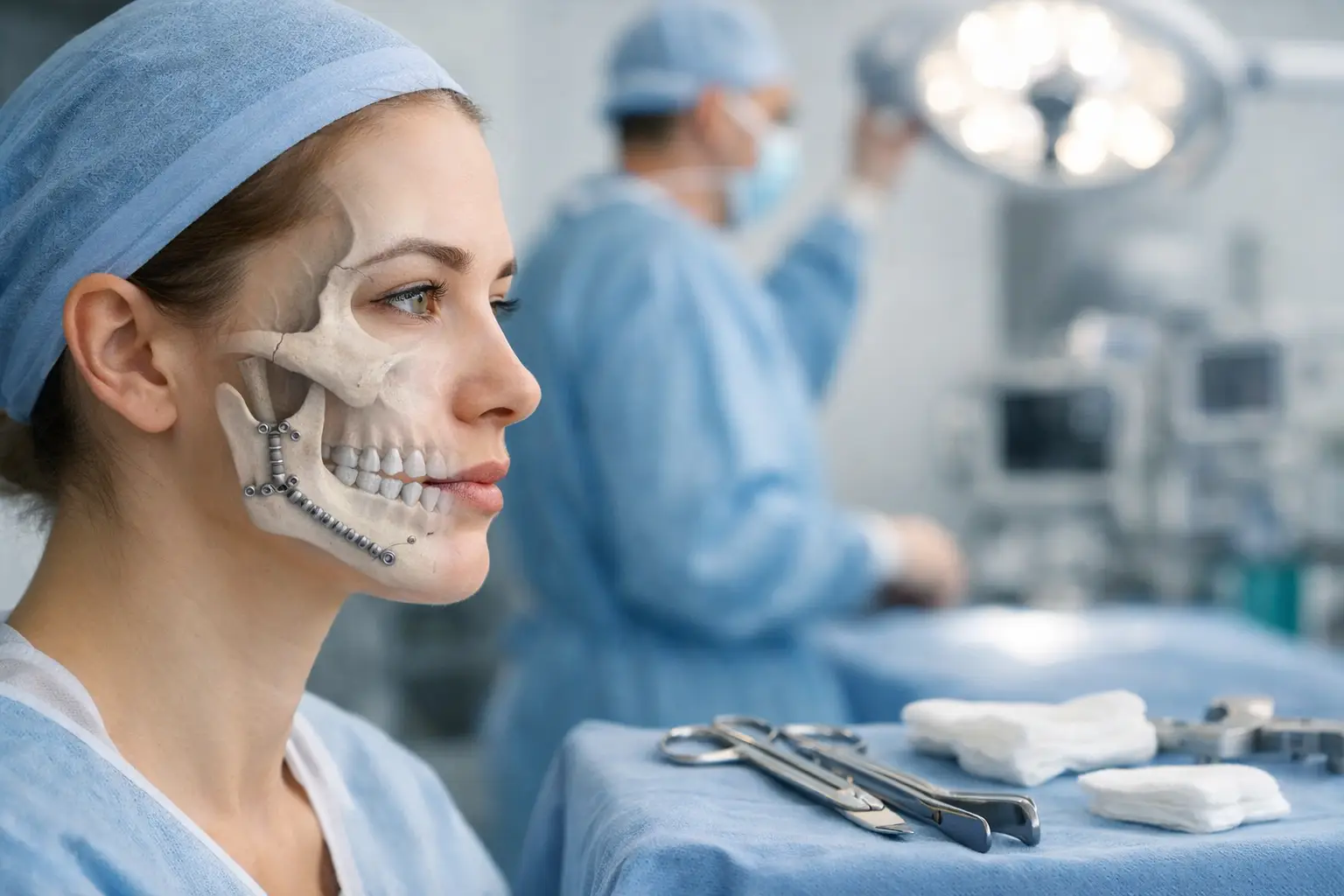
Smoking creates significant complications for oral surgery patients through multiple biological mechanisms. Nicotine constricts blood vessels, reducing oxygen delivery to surgical sites by up to 40%. Carbon monoxide from cigarettes binds to haemoglobin more readily than oxygen, further limiting tissue oxygenation. These effects compound during the healing phases following jaw reconstruction, orthognathic procedures, and other facial surgeries.
The relationship between smoking and surgical complications extends beyond simple wound healing. Tobacco use fundamentally alters bone metabolism, immune response, and tissue regeneration, or processes needed for successful oral surgery outcomes.
Immediate Surgical Complications
Smoking during the perioperative period triggers several acute complications. Nicotine causes immediate vasoconstriction, reducing blood flow to surgical sites within minutes of cigarette use. This decreased perfusion limits the delivery of antibiotics, immune cells, and nutrients exactly when tissues need them most.
Anaesthesia risks increase significantly in smokers. The respiratory system’s compromised state from chronic smoke exposure leads to:
- Increased airway reactivity and bronchospasm during intubation
- Higher mucus production interferes with ventilation
- Reduced lung capacity affecting oxygen exchange
- Greater risk of laryngospasm and post-operative respiratory complications
Blood clot formation becomes problematic in smokers undergoing oral surgery. While initial clot formation may occur normally, the clot’s stability and quality suffer. Smoking’s heat and suction effects can dislodge protective blood clots, particularly after tooth extractions or bone grafting procedures. This leads to dry socket, a painful condition in which exposed bone lacks the protective covering necessary for healing.
Bleeding complications arise from smoking’s effects on platelet function and blood vessel integrity. Nicotine disrupts the typical clotting cascade, while chronic inflammation weakens blood vessel walls. Surgeons often encounter increased intraoperative bleeding in smoking patients, requiring additional hemostatic measures and potentially prolonging surgery time.
Delayed Healing and Infection Risk
The healing timeline extends considerably for smokers following oral surgery. Normal soft tissue healing occurs in distinct phases: inflammation (days 1-3), proliferation (days 4-21), and remodelling (days 21 onward). Smoking disrupts each phase through different mechanisms.
During the inflammatory phase, smoking suppresses the beneficial inflammatory response needed to clear debris and initiate repair. White blood cell function decreases, with neutrophils and macrophages showing reduced ability to fight bacteria and remove dead tissue. This compromised immune response directly increases the risk of infection at surgical sites.
💡 Did You Know?
Hydrogen cyanide in cigarette smoke specifically targets the enzyme systems responsible for cellular energy production, directly impairing tissue repair at the molecular level.
The proliferation phase is characterised by reduced collagen synthesis in smokers. Fibroblasts, or the cells responsible for creating new connective tissue, function poorly in the low-oxygen environment created by smoking. Vitamin C depletion, common among smokers, further impairs collagen cross-linking, resulting in weaker scar tissue.
Infection rates following oral surgery show marked differences between smokers and non-smokers. Common post-surgical infections in smokers include:
- Surgical site infections with aerobic and anaerobic bacteria
- Osteomyelitis (bone infection) following jaw surgery
- Persistent sinus infections after maxillary procedures
- Wound dehiscence with secondary infection
These infections often require prolonged antibiotic therapy, additional surgical debridement, and significantly delayed recovery. The biofilm formation on teeth and oral tissues in smokers provides a reservoir for pathogenic bacteria, continuously seeding surgical sites with potential infectious agents.
Bone Healing and Graft Failure
Bone healing represents one of the most essential aspects of oral surgery affected by smoking. Orthognathic surgery, dental implants, and reconstructive jaw procedures all depend on robust bone formation and remodelling. Smoking interferes with every stage of bone healing through multiple pathways.
Osteoblasts, the cells that build new bone, show reduced activity in smokers. These cells require abundant oxygen and nutrients to produce the bone matrix. Nicotine directly inhibits osteoblast proliferation and differentiation, while carbon monoxide further limits their metabolic activity. The result is slower, weaker bone formation at surgical sites.
Bone grafting procedures face particularly high failure rates in smokers. Whether using autografts (patient’s own bone), allografts (donor bone), or synthetic materials, successful integration requires:
- Adequate blood supply to nourish the graft
- Active bone cell migration into the graft material
- Sustained remodelling to incorporate the graft
- Protection from infection during the integration period
Smoking compromises each requirement. Graft necrosis occurs when inadequate blood supply causes graft tissue death. Integration failure happens when the host bone cannot properly fuse with the graft material. These failures often necessitate complete graft removal and extended healing periods before attempting reconstruction again.
⚠️ Important Note
Bone graft failure rates in smokers can necessitate complete surgical revision, adding months to treatment timelines and requiring additional procedures.
Dental implant osseointegration, the process where implants fuse with the jawbone, shows marked impairment in smokers. The titanium-bone interface requires precise biological conditions to form correctly. Smoking creates a hypoxic environment that prevents proper bone-implant bonding, leading to early implant failure or later peri-implantitis.
Specific Risks for Complex Procedures
Orthognathic surgery presents unique challenges in smoking patients. These procedures involve cutting and repositioning the maxilla, mandible, or both jaws. The extensive bone manipulation requires optimal healing conditions for successful outcomes. Smoking-related complications in orthognathic surgery include:
- Delayed union or non-union at osteotomy sites
- Increased risk of hardware infection around plates and screws
- Compromised soft tissue healing affecting facial aesthetics
- Nerve healing impairment leading to prolonged numbness
Reconstructive jaw surgery following trauma or tumour removal faces amplified risks in smokers. These procedures often involve:
- Multiple tissue types requiring simultaneous healing
- Free tissue transfer with microvascular anastomosis
- Extended operative times increase anaesthesia exposure
- Complex three-dimensional reconstruction requirements
Microvascular surgery success depends entirely on the patency of blood vessels. Smoking causes vasospasm and thrombosis in the delicate vessels used for free flap reconstruction. Flap failure, or complete tissue death requiring removal, occurs more frequently in smokers, potentially leaving patients with larger defects than before surgery.
Temporomandibular joint (TMJ) surgery outcomes deteriorate significantly with smoking. The joint’s limited blood supply makes it particularly vulnerable to smoking’s vascular effects. Post-surgical adhesions form more readily in smokers, limiting jaw movement and requiring additional interventions.
Timeline for Smoking Cessation
Pre-surgical smoking cessation timing directly impacts complication rates. Different biological systems recover at varying rates after quitting:
2-12 hours after quitting: Carbon monoxide levels normalize, improving oxygen delivery
48-72 hours: Nicotine clears from the bloodstream, reducing acute vasospasm
2-4 weeks: Respiratory cilia begin recovering function, improving airway clearance
4-6 weeks: Wound healing capacity shows measurable improvement
3 months: Immune function demonstrates significant recovery
Optimal cessation occurs at least 4-6 weeks before surgery. This timeframe allows for meaningful improvements in:
- Tissue oxygenation and perfusion
- Immune cell function and number
- Respiratory secretion clearance
- Wound healing protein synthesis
✅ Quick Tip
Mark your surgery date on a calendar and count backward 6 weeks. This becomes your quit date for optimal surgical outcomes.
Post-surgical abstinence remains equally important. The first 2 weeks after surgery represent the highest-risk period for complications. Resuming smoking during this window can cause:
- Immediate wound breakdown
- Blood clot displacement
- Acute infection development
- Graft or implant failure
Long-term success for procedures like dental implants or jaw reconstruction requires permanent smoking cessation. Even occasional smoking can trigger late complications months or years after successful initial healing.
What Our Oral and Maxillofacial Surgeon Says
Smoking cessation represents the single most impactful step patients can take to improve surgical outcomes. In clinical practice, we observe dramatic differences in healing between smokers and non-smokers undergoing identical procedures. The investment in quitting smoking before surgery pays dividends through reduced complications, faster recovery, and improved long-term results.
Many patients underestimate how profoundly smoking affects bone healing, specifically. Unlike soft tissue that heals in weeks, bone remodelling continues for months after surgery. Each cigarette smoked during this period may compromise the final surgical outcome. We work closely with patients to develop realistic cessation plans that align with their surgical timeline.
The conversation about smoking and surgery should begin at the first consultation. This allows adequate time for cessation support, whether through nicotine replacement therapy, prescription medications, or behavioural counselling. Patients who successfully quit before surgery often maintain abstinence long-term, viewing their surgery as a catalyst for positive health changes.
Putting This Into Practice
- Schedule a cessation plan consultation: Meet with your healthcare provider 8-10 weeks before surgery to discuss cessation methods, including nicotine replacement, prescription medications like varenicline, or behavioural therapy programs.
- Document your smoking triggers: Keep a diary for one week, noting when you smoke, what triggers the urge, and your emotional state. Use this information to develop specific coping strategies for each situation.
- Prepare your environment: Remove all smoking materials from your home, car, and workplace. Clean fabrics to eliminate smoke odours that can trigger cravings. Identify smoke-free zones where you’ll spend time during recovery.
- Arrange post-surgical support: Designate a family member or friend to help monitor your recovery and provide accountability for maintaining smoking cessation during the healing period.
- Create milestone rewards: Plan non-smoking rewards for 24 hours, 1 week, 2 weeks, and 1 month post-surgery to maintain motivation during the challenging early recovery phase.
When to Seek Professional Help
- Persistent bleeding lasting more than several hours after oral surgery
- Fever above 38°C with surgical site swelling or discharge
- Severe pain uncontrolled by prescribed medications
- Visible pus or foul odour from surgical sites
- Loosening of surgical hardware or dental implants
- Numbness or tingling that worsens rather than improves over time
- Difficulty opening the mouth or swallowing that develops after initial recovery
- Exposed bone visible at extraction or surgical sites
- Facial swelling that increases after the third post-operative day
Commonly Asked Questions
How long before oral surgery should I stop smoking?
Optimal outcomes occur with cessation 4-6 weeks before surgery. This allows for improved tissue oxygenation and some recovery of immune function. Even 48-72 hours of abstinence provides measurable benefits through carbon monoxide clearance and acute nicotine withdrawal.
Can I use nicotine replacement therapy after oral surgery?
Nicotine replacement therapy delivers nicotine without the additional toxins. While not ideal, patches or gum cause less surgical site disruption than smoking. Discuss options with your surgeon, as some procedures may have specific restrictions on any nicotine use.
What about vaping or e-cigarettes?
E-cigarettes still deliver nicotine, causing vasoconstriction and impaired healing. The suction action can dislodge blood clots similar to traditional smoking. Propylene glycol and other vaping chemicals may also interfere with wound healing through mechanisms still being researched.
Will one cigarette after surgery really matter?
Single cigarette use can trigger immediate vasoconstriction lasting hours, potentially disrupting early healing. The suction effect may dislodge protective blood clots. Even brief nicotine exposure can impact the delicate balance required for proper wound healing.
Next Steps
Smoking cessation before oral surgery dramatically improves surgical outcomes and reduces complication risks. Focus on the 4-6 week pre-surgical window for maximum benefit, and maintain abstinence throughout recovery.
If you’re planning orthognathic surgery, jaw reconstruction, or other complex oral procedures and currently smoke, our Oral and Maxillofacial Surgeon can develop a comprehensive treatment plan that includes smoking cessation support and optimal surgical timing.