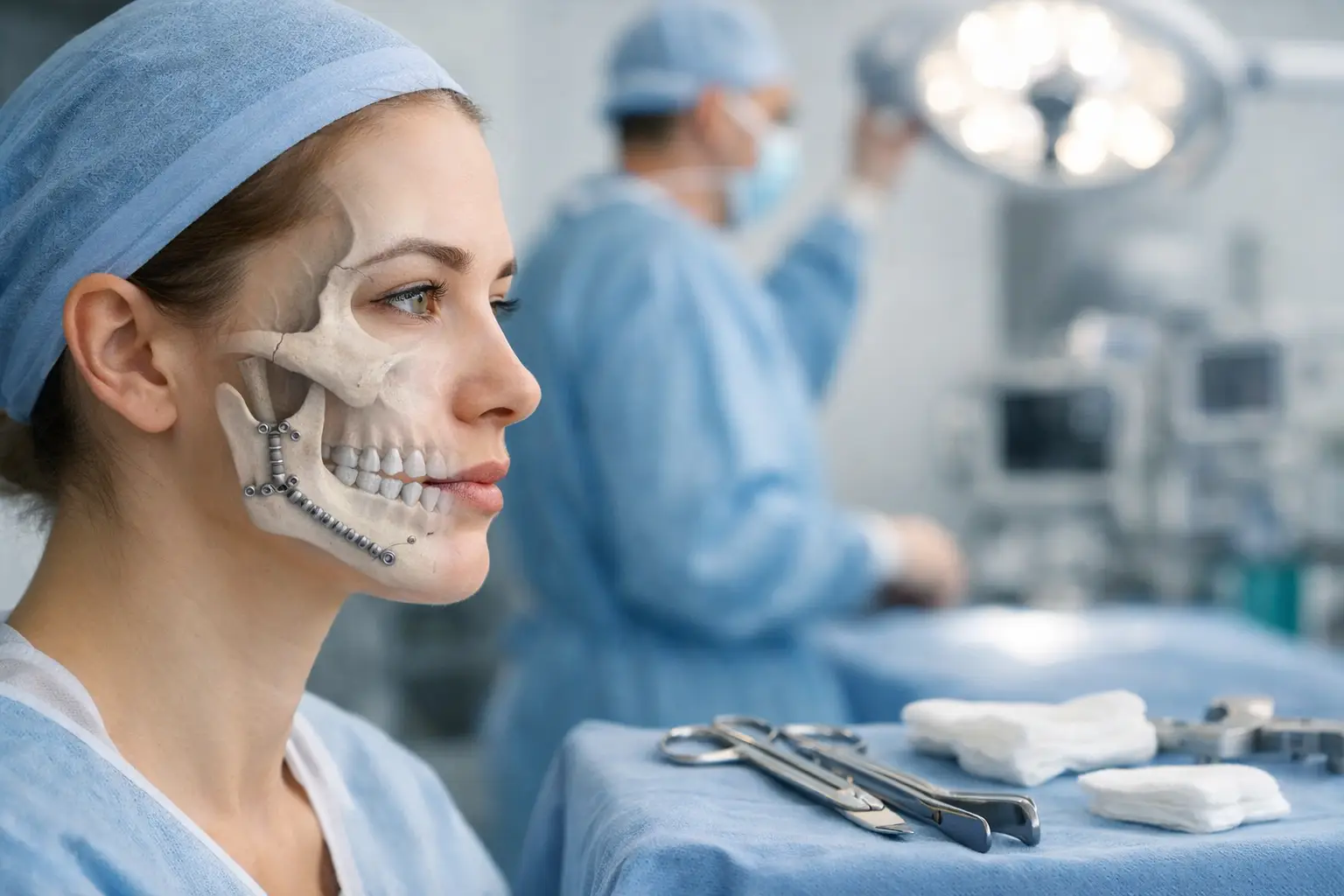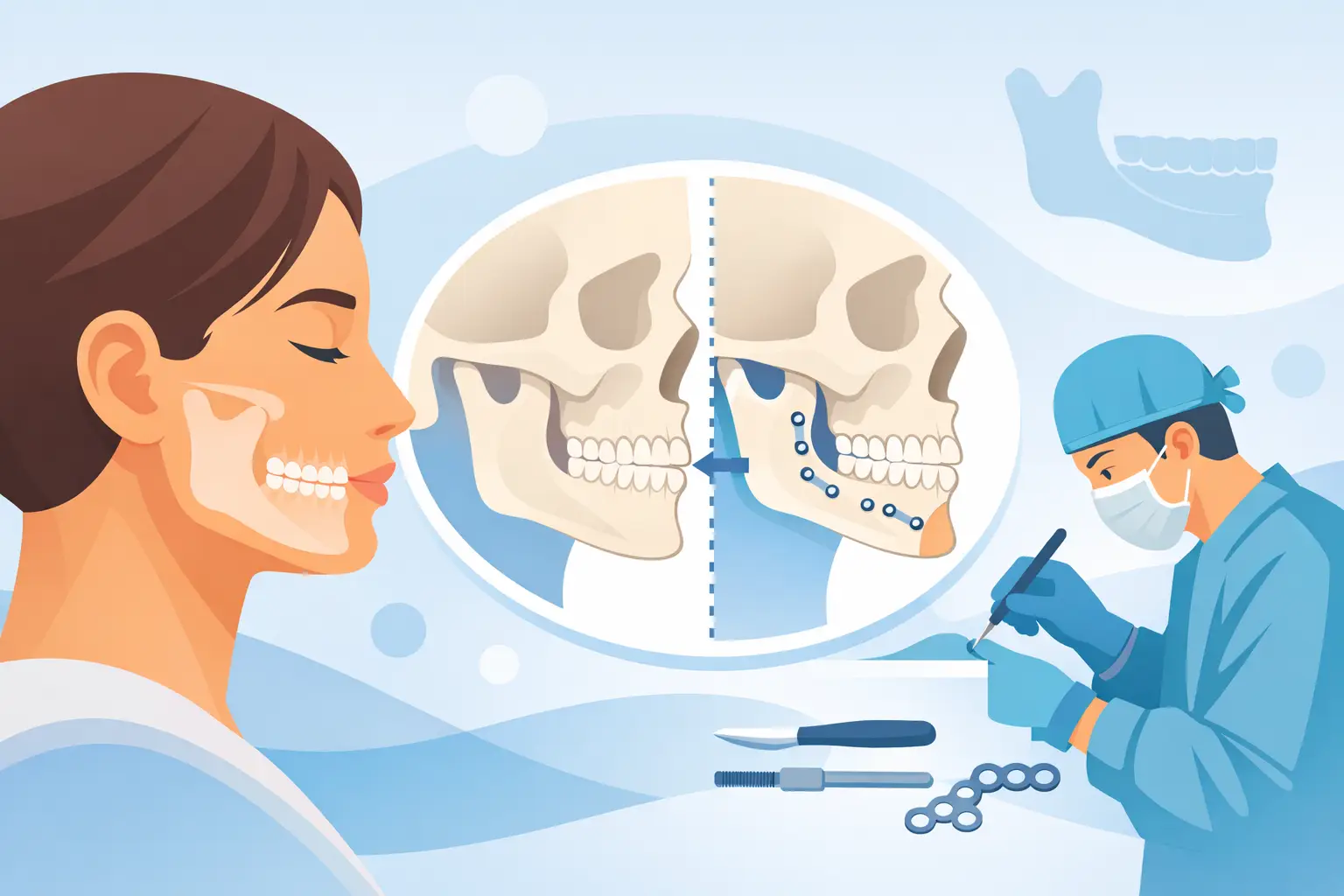
A patient may come in worried about a weak chin, a long face, or an uneven smile, only to learn that the real issue is a jaw position affecting bite function, speech, or even breathing. That is why the question, is jaw surgery a cosmetic surgery, does not have a simple yes-or-no answer. In oral and maxillofacial surgery, jaw procedures often sit at the intersection of health, function, and facial appearance.
Is jaw surgery a cosmetic surgery or a medical procedure?
Jaw surgery, also called orthognathic surgery in many cases, is frequently performed to correct structural problems of the upper jaw, lower jaw, or both. These problems can affect how the teeth meet, how the airway functions, how the lips close at rest, and how the face appears in profile and from the front.
So, is jaw surgery a cosmetic surgery? Sometimes it includes a cosmetic benefit, but many jaw operations are primarily functional or reconstructive. If the purpose is to correct a skeletal discrepancy causing chewing difficulty, speech problems, sleep-disordered breathing, jaw strain, or significant bite imbalance, the procedure is generally considered medically necessary rather than purely cosmetic.
The confusion is understandable. Changing jaw position can dramatically improve facial balance. A recessed lower jaw may move forward. Excessive gum show may be reduced by repositioning the upper jaw. Facial asymmetry may become less noticeable. These are visible changes, but visible improvement does not automatically make a procedure cosmetic.
Why jaw surgery is often about more than appearance
The jaws are not isolated facial features. They are part of a working system involving the teeth, airway, muscles, joints, and facial soft tissues. When the jaw bones are out of alignment, the problem can extend well beyond appearance.
A patient with a severe overbite or underbite may struggle to chew efficiently. Another may have chronic tooth wear because the teeth do not meet properly. Some patients cannot comfortably close their lips, while others develop muscle fatigue from constantly compensating for an imbalanced bite. In certain cases, jaw position also contributes to obstructive sleep apnea or other breathing concerns.
In these situations, surgery is aimed at correcting anatomy so the bite functions better and the face is supported more harmoniously. The aesthetic improvement is real, but it is usually a consequence of restoring proper skeletal relationships rather than the only goal.
Functional indications for jaw surgery
A specialist may recommend jaw surgery when there is a significant skeletal discrepancy that cannot be corrected with orthodontics alone. Common reasons include severe malocclusion, facial asymmetry, open bite, airway narrowing, relapse after previous treatment, and jaw positions contributing to speech or chewing dysfunction.
This is especially relevant for patients who have spent years assuming braces alone will solve the problem. If the issue lies in the bones rather than only the teeth, orthodontics can align the teeth within each jaw but cannot fully reposition the jaws themselves.
Aesthetic concerns can still be valid
None of this means appearance should be dismissed. Facial balance matters. It affects confidence, social comfort, and how patients feel when they smile, speak, or are photographed. A patient may initially seek consultation because of appearance and then discover there is also a functional issue. That does not make the concern less legitimate.
Specialist jaw surgery often aims for both functional correction and facial harmony. The key distinction is whether surgery is being performed on a healthy structure solely to refine looks, or whether it is correcting an underlying skeletal problem that has functional consequences.
When jaw surgery may be considered cosmetic
Jaw surgery may be considered cosmetic when the main purpose is to alter facial proportions without a meaningful medical or functional indication. For example, a patient with a stable bite, no airway concerns, and no significant skeletal abnormality may still wish to change their profile or facial shape. In that setting, the procedure may be classified as aesthetic.
That said, these situations require careful assessment. What seems minor from the outside may still involve genuine structural imbalance. Conversely, a patient may feel they need major surgery for an aesthetic concern that could be addressed more appropriately with a less invasive treatment.
This is where specialist evaluation matters. The decision should not be based on appearance alone or on photographs viewed without clinical context.
How surgeons determine whether jaw surgery is medically necessary
A proper evaluation goes well beyond looking at the face. It usually includes a clinical examination, dental and skeletal analysis, bite assessment, imaging, and often collaboration with an orthodontist. The surgeon will study how the jaws relate to each other, how the teeth fit, whether there is asymmetry, and whether symptoms suggest airway or joint involvement.
The medical necessity of surgery often depends on several factors considered together rather than one isolated feature. A patient might have a visibly recessed chin but not require jaw surgery if the jaws function well and the issue is limited to chin projection. Another patient with less obvious facial imbalance may have severe occlusal instability or airway compromise that makes surgery far more appropriate.
This is why online self-diagnosis can be misleading. Two people may look similar in profile yet need completely different treatments.
Cosmetic, reconstructive, and functional overlap
One reason this topic creates confusion is that jaw surgery does not fit neatly into a single category. In many cases, it overlaps reconstructive and aesthetic principles.
Reconstructive surgery focuses on restoring normal structure and function. Cosmetic surgery focuses on enhancing appearance. Jaw surgery can do both at the same time. Correcting a severe underbite may improve speech and chewing while also softening a prominent lower jaw. Advancing the upper and lower jaws may enlarge the airway while also improving facial support.
From a specialist standpoint, the better question is often not whether the surgery is cosmetic, but what the primary indication is and what outcomes are being planned. Good treatment planning respects both function and appearance because the face and bite cannot be separated.
What patients should ask during a consultation
If you are unsure whether your situation is cosmetic or functional, a consultation should give you clarity. Ask what specific diagnosis is present, what symptoms or structural findings support surgery, and whether orthodontics or another treatment could address the issue instead. It is also reasonable to ask what changes to expect in bite, facial balance, recovery, and long-term stability.
A trustworthy surgeon should explain not only what surgery can improve, but also its trade-offs. Jaw surgery is a major procedure. It involves planning, orthodontic coordination in many cases, recovery time, swelling, temporary dietary restrictions, and a period of adjustment as the bite settles and facial changes become more apparent.
Patients benefit from a surgeon who is comfortable discussing both the medical rationale and the visual outcome. For many people, both matter deeply.
Insurance and classification considerations
Patients often ask this question because they are trying to understand insurance coverage. While policies vary, procedures performed to correct documented functional problems are more likely to be considered medically necessary than procedures performed only for appearance.
Still, classification is not always straightforward. A surgery may have clear functional value and still produce substantial aesthetic change. Coverage decisions typically depend on the insurer’s criteria, supporting records, imaging, and documented symptoms rather than on whether the surgery also improves facial appearance.
This is another reason specialist documentation and assessment are so important. Clear diagnosis matters.
Why a specialist perspective makes a difference
Jaw surgery requires a detailed understanding of facial bones, occlusion, airway dynamics, soft tissue response, and long-term stability. The goal is not simply to move the jaws, but to place them in a position that supports function, health, and facial balance over time.
At a specialist oral and maxillofacial surgery practice such as Aesthetic Reconstructive Jaw Surgery, this planning process is centered on the individual patient. That means evaluating symptoms, anatomy, treatment goals, and recovery expectations carefully rather than forcing every case into a cosmetic or non-cosmetic label.
For some patients, the answer to is jaw surgery a cosmetic surgery will be no, because the procedure is clearly reconstructive or functional. For others, the answer may be partly, because aesthetic improvement is an important treatment goal alongside medical correction. And in a smaller group, the procedure may indeed be primarily cosmetic.
What matters most is having the right diagnosis before making a major surgical decision. If a jaw concern is affecting how you bite, breathe, speak, or feel about your facial balance, the next step is not to guess what category it falls into. It is to get a careful evaluation that explains what is actually happening and what treatment would genuinely help.