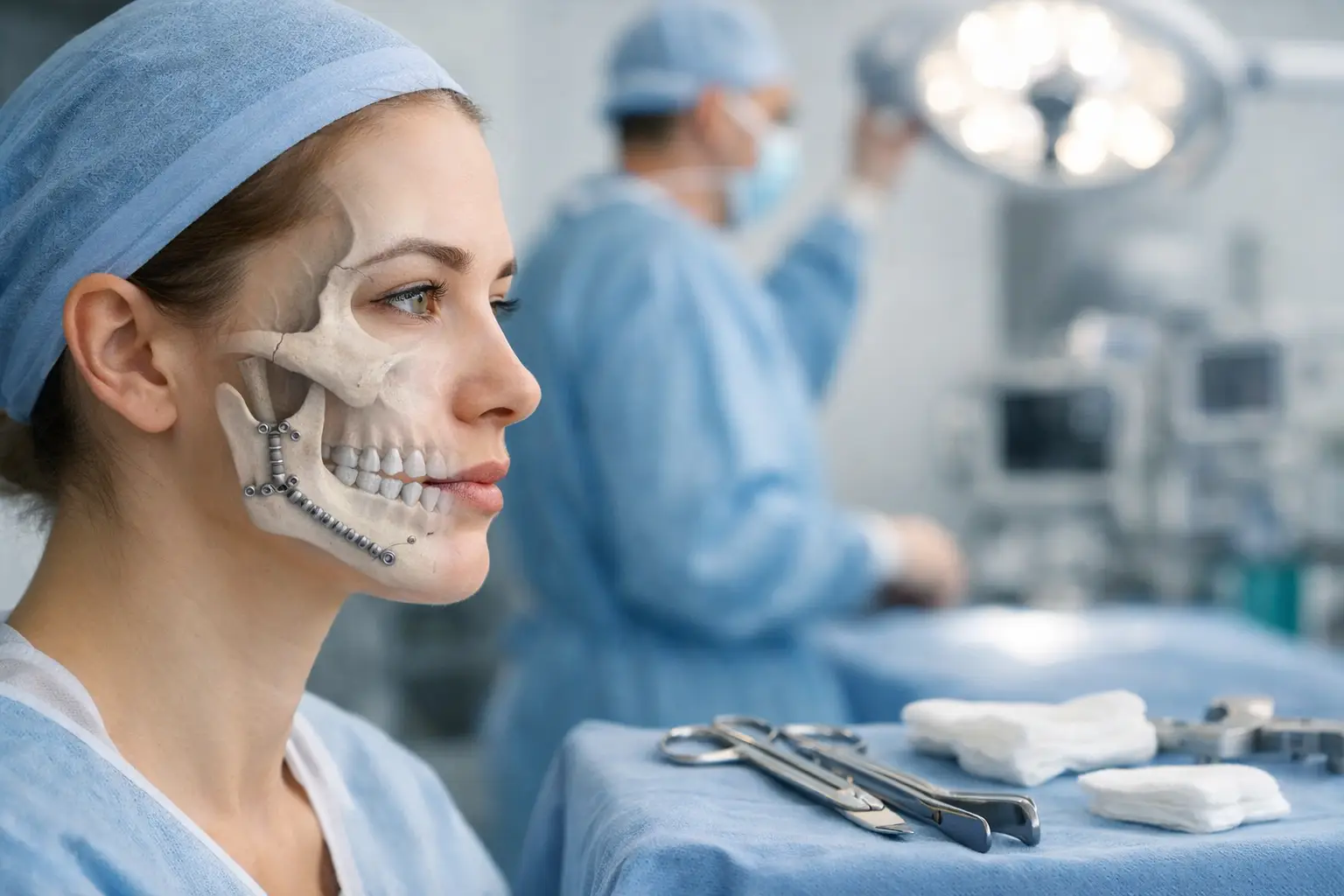
Blood glucose levels directly influence tissue healing after oral surgery. When glucose remains elevated above 180 mg/dL, white blood cells function poorly, collagen production slows, and new blood vessel formation becomes impaired. These cellular changes translate into tangible recovery challenges: wounds heal more slowly, infection risks increase, and bone grafts may fail to integrate properly.
Oral surgery procedures, from wisdom tooth extraction to complex jaw reconstruction, can create metabolic stress that temporarily raises blood glucose levels. This stress response affects diabetic patients more severely because their insulin regulation systems already struggle to maintain normal glucose levels. The surgical site requires consistent glucose levels between 80-130 mg/dL for optimal healing, yet post-surgical inflammation and prescribed medications often push these numbers higher.
Blood Sugar’s Direct Impact on Surgical Wounds
Elevated glucose triggers a cascade of cellular complications. High blood sugar causes blood vessels to become less flexible and narrower, reducing oxygen delivery to healing tissues. This oxygen shortage slows the migration of fibroblasts – cells responsible for building new tissue structure. Additionally, glucose molecules attach to proteins through glycation, making collagen fibres stiff and brittle rather than flexible and strong.
The oral cavity presents unique challenges because saliva glucose levels mirror blood glucose. When blood sugar exceeds 200 mg/dL, saliva becomes sweet and feeds harmful bacteria. These bacteria multiply rapidly in surgical sites, producing acids that break down healing tissue and prevent proper clot formation. The combination of reduced oxygen, altered collagen, and bacterial overgrowth creates an environment in which simple extractions can progress to complex, non-healing wounds.
Nerve function also suffers when glucose remains elevated. Diabetic neuropathy affects the trigeminal nerve branches that supply sensation to the jaw and face. Patients may not feel developing infections or trauma to surgical sites, allowing complications to progress undetected. This sensory loss particularly impacts recovery from orthognathic procedures, where precise jaw positioning relies on patient feedback during healing.
Infection Risks During Recovery
Diabetic patients face higher infection rates after oral surgery. The immune system’s neutrophils – first-responder cells that engulf bacteria – move slowly through high-glucose environments and lose their ability to destroy pathogens effectively. Simultaneously, bacteria thrive in glucose-rich tissues, increasing their reproduction rate compared to everyday tissue environments.
Post-surgical infections in diabetic patients often present differently. Instead of acute symptoms such as severe pain and rapid swelling, infections may develop gradually, with persistent low-grade drainage, delayed wound breakdown, or bone exposure weeks after surgery. Osteomyelitis – bone infection – occurs more frequently because compromised blood flow prevents antibiotics from reaching therapeutic levels in the jaw bones.
⚠️ Important Note
Watch for subtle infection signs: slight warmth around surgical sites, thin yellowish drainage, or wounds that stop improving after initial healing. These may indicate developing infections requiring immediate attention.
Common oral bacteria become more virulent in diabetic conditions. Streptococcus and Staphylococcus species produce stronger biofilms – protective bacterial communities resistant to antibiotics. These biofilms form on sutures, bone graft materials, and titanium implants, creating persistent infection sources that standard antibiotic courses cannot eliminate.
Delayed Bone Healing Patterns
Bone regeneration after jaw surgery depends on osteoblasts – specialised cells that deposit new bone matrix. High-glucose environments reduce osteoblast numbers while increasing osteoclast numbers, cells that break down bone. This imbalance means diabetic patients may lose bone volume around surgical sites instead of gaining the new bone necessary for successful healing.
Orthognathic surgery outcomes particularly depend on robust bone healing. When surgeons reposition jaw segments, new bone must bridge gaps between bone cuts within 6-8 weeks. Diabetic patients often require 10-12 weeks for comparable healing, and the new bone may be less dense. This extended timeline increases the risk of hardware failure, jaw segment movement, or non-union, in which bones fail to connect.
Bone graft integration faces similar challenges. Whether using the patient’s own bone, donor bone, or synthetic materials, successful grafting requires new blood vessel growth into the graft material. Diabetes reduces vascular endothelial growth factor (VEGF) production, limiting new vessel formation. Without adequate blood supply, grafts may partially dissolve or become encapsulated in scar tissue rather than integrating with existing bone.
Medication Interactions and Complications
Surgical stress and post-operative medications significantly impact glucose control. Corticosteroids, commonly prescribed to reduce facial swelling after jaw surgery, can raise blood glucose by 50-100 mg/dL. This effect peaks 4-8 hours after each dose and may persist for 24 hours. Patients taking prednisone or dexamethasone often need temporary insulin adjustments, even if they usually control diabetes with oral medications alone.
Pain medications create additional challenges. Opioid prescriptions can cause gastroparesis – delayed stomach emptying – which makes meal timing unpredictable and glucose control difficult. NSAIDs like ibuprofen may reduce kidney function in diabetic patients with existing nephropathy, potentially requiring dosage adjustments of diabetes medications cleared by the kidneys.
Antibiotic selection requires careful consideration. Certain antibiotics interact with sulfonylurea diabetes medications, potentially causing dangerous hypoglycemia. Metronidazole, frequently prescribed for oral infections, can cause severe nausea when combined with metformin. Surgeons must balance effective infection prevention against these medication interactions.
✅ Quick Tip
Create a detailed medication timeline showing all diabetes medications, their timing, and how they interact with post-surgical prescriptions. Share this with both your surgeon and endocrinologist.
Pre-Surgery Optimisation Strategies
Glucose optimisation begins months before surgery. HbA1c levels below 7.0% indicate good long-term control and predict better surgical outcomes. However, the weeks immediately before surgery matter most – consistent daily glucose readings between 80-130 mg/dL create ideal conditions for healing. Continuous glucose monitors help identify patterns and prevent the glucose spikes that impair pre-surgical immune function.
Nutritional preparation enhances healing capacity. Protein intake of 1.2-1.5 grams per kilogram body weight supports tissue repair, while vitamin C (500-1000mg daily) and zinc (8-11mg daily) optimise collagen production. Diabetic patients often have lower baseline levels of these nutrients, making supplementation particularly beneficial. Starting supplements 4-6 weeks pre-surgery allows tissue saturation.
Oral health optimisation reduces bacterial load before surgery. Professional cleaning removes calculus-harbouring pathogenic bacteria, while chlorhexidine rinses beginning one week pre-surgery reduce bacterial counts. For patients with periodontal disease, completing treatment before elective jaw surgery significantly reduces post-operative infection risks.
Post-Surgical Glucose Monitoring
Recovery requires intensified glucose monitoring – checking levels before each meal, two hours after eating, at bedtime, and during the night for the first week post-surgery. These frequent checks capture the glucose variability induced by surgical stress. Target ranges shift during recovery: fasting glucose 80-110 mg/dL and post-meal peaks below 140 mg/dL optimise healing while preventing hypoglycemia.
💡 Did You Know?
Wound healing accelerates during sleep when growth hormone peaks, but only if glucose remains controlled. Night-time glucose spikes above 180 mg/dL can negate an entire day’s healing progress.
Diet modifications support stable glucose while accommodating surgical limitations. Liquid diets after jaw surgery often rely on high-carbohydrate options that rapidly spike blood glucose. Protein shakes with added fibre, blended vegetables with olive oil, and bone broth provide nutrients while moderating glucose response. Small, frequent meals every 2-3 hours help prevent large swings in blood glucose that impair healing.
Physical activity, even limited movement, improves glucose control and circulation to healing tissues. Gentle walking for 10-15 minutes after meals reduces post-meal glucose spikes. Upper body stretching maintains circulation when jaw surgery limits more vigorous activity. These modest activities significantly impact glucose stability during recovery.
When to Seek Professional Help
- Glucose readings consistently above 180 mg/dL despite medication adjustments
- Surgical sites showing increased redness, warmth, or drainage after initial improvement
- Fever above 38°C (100.4°F) persisting more than 24 hours post-surgery
- Unusual odour from surgical sites or persistent bad taste
- Numbness or tingling spreading beyond the expected surgical areas
- Delayed wound closure – suture lines gaping after one week
- Exposed bone is visible through the surgical sites
- Difficulty controlling glucose with the usual medication regimen
- Severe fatigue or confusion suggesting glucose extremes
- Swelling is increasing after day three post-surgery
Commonly Asked Questions
Should I stop my diabetes medications before oral surgery?
Never stop diabetes medications without medical guidance. Most oral medications are continued until the morning of surgery, whereas insulin protocols require adjustment. Your surgeon and endocrinologist should coordinate a specific plan based on the timing of your surgery and your diabetes type. Some medications, like metformin, may be paused for 48 hours pre-surgery, while others remain unchanged.
How long does diabetes extend the recovery time?
Well-controlled diabetics typically need 2-4 additional weeks for complete healing compared to non-diabetic patients. Soft tissue heals within 3-4 weeks, rather than the standard 2 weeks, while bone healing extends from 6-8 weeks to 10-12 weeks. Poor glucose control can double these timelines and significantly increase the risk of complications.
Can I have dental implants or jaw reconstruction with diabetes?
Diabetes doesn’t prevent these procedures, but they do require careful planning. HbA1c below 7.0% and consistent glucose control are associated with successful outcomes. Many diabetic patients undergo complex reconstructions successfully with proper optimisation. Your surgical team may recommend staged procedures, allowing for assessment of healing between phases.
What glucose levels require surgery postponement?
Fasting glucose above 200 mg/dL or HbA1c above 9.0% typically warrants postponement for elective procedures. Emergency surgeries proceed with intensive glucose management. Random glucose above 250 mg/dL on the morning of surgery may delay same-day procedures. Each surgical team establishes specific thresholds based on procedure complexity.
Will antibiotics affect my blood sugar?
Some antibiotics indirectly affect glucose by altering appetite or causing gastrointestinal upset. Fluoroquinolones may cause both hyperglycemia and hypoglycemia in susceptible patients. Monitor glucose more frequently when starting antibiotics and report unusual patterns to your healthcare team immediately.
Next Steps
Managing diabetes during the recovery from oral surgery requires vigilant glucose monitoring and proactive prevention of complications. Maintaining glucose levels between 80-130 mg/dL, watching for subtle signs of infection, and coordinating closely with your healthcare team transform diabetes from a surgical barrier into a manageable factor.
If you’re experiencing TMJ disorders, facial trauma, or considering corrective jaw surgery while managing diabetes, our Oral and Maxillofacial Surgeon provides comprehensive evaluation and specialised treatment protocols for diabetic patients.