Losing a tooth changes more than your smile. It can affect how you chew, how you speak, how your bite functions, and, over time, how the jawbone is supported. Dental implants are often recommended because they replace both the visible tooth and the missing root, helping restore function in a way that feels stable and long lasting.
For many patients, the main question is not simply whether implants work. It is whether they are appropriate for their specific situation, how involved the treatment will be, and what kind of result they can realistically expect. Those are the right questions to ask, especially when missing teeth are linked to bone loss, previous dental disease, trauma, or a complex bite.
What dental implants actually replace
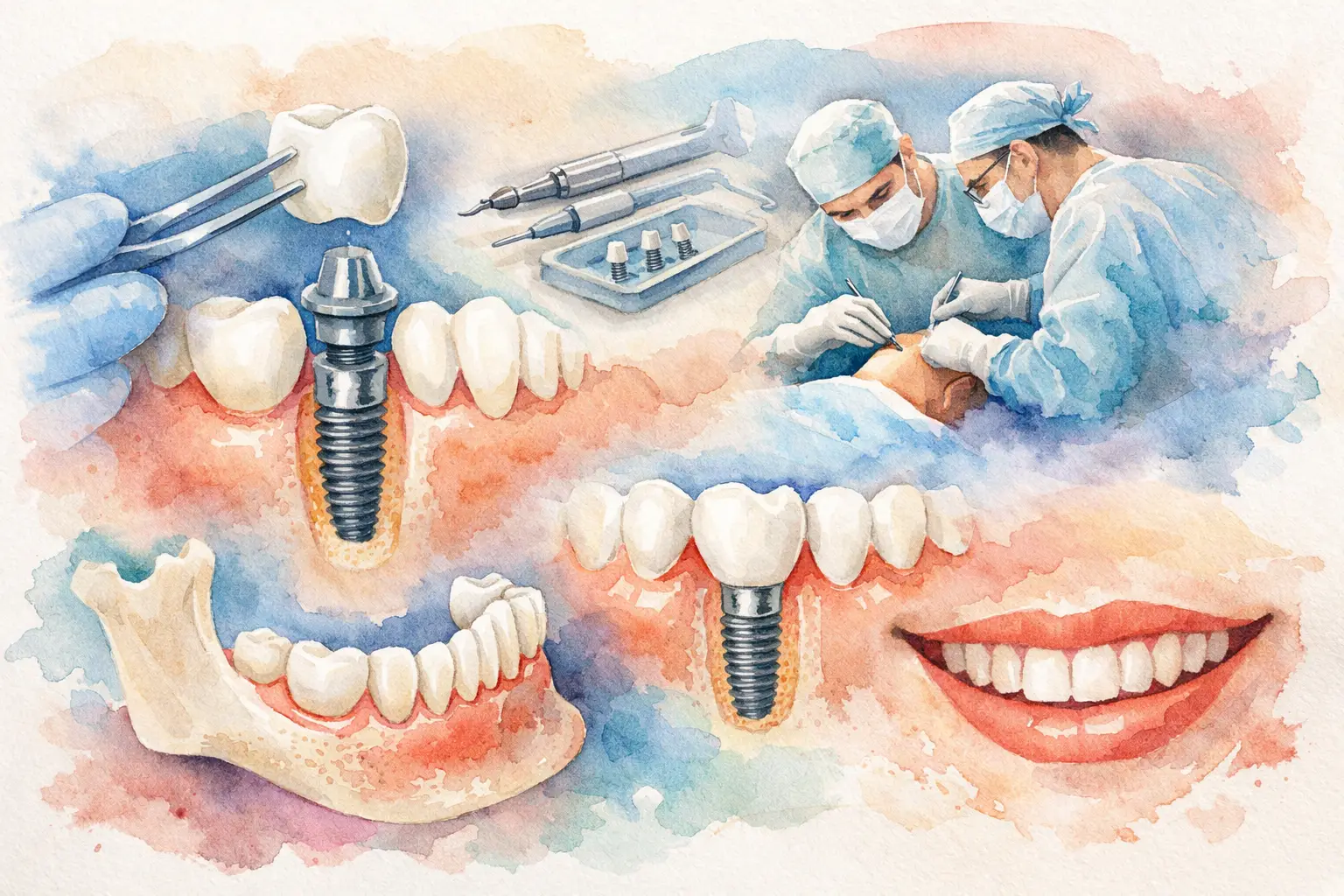
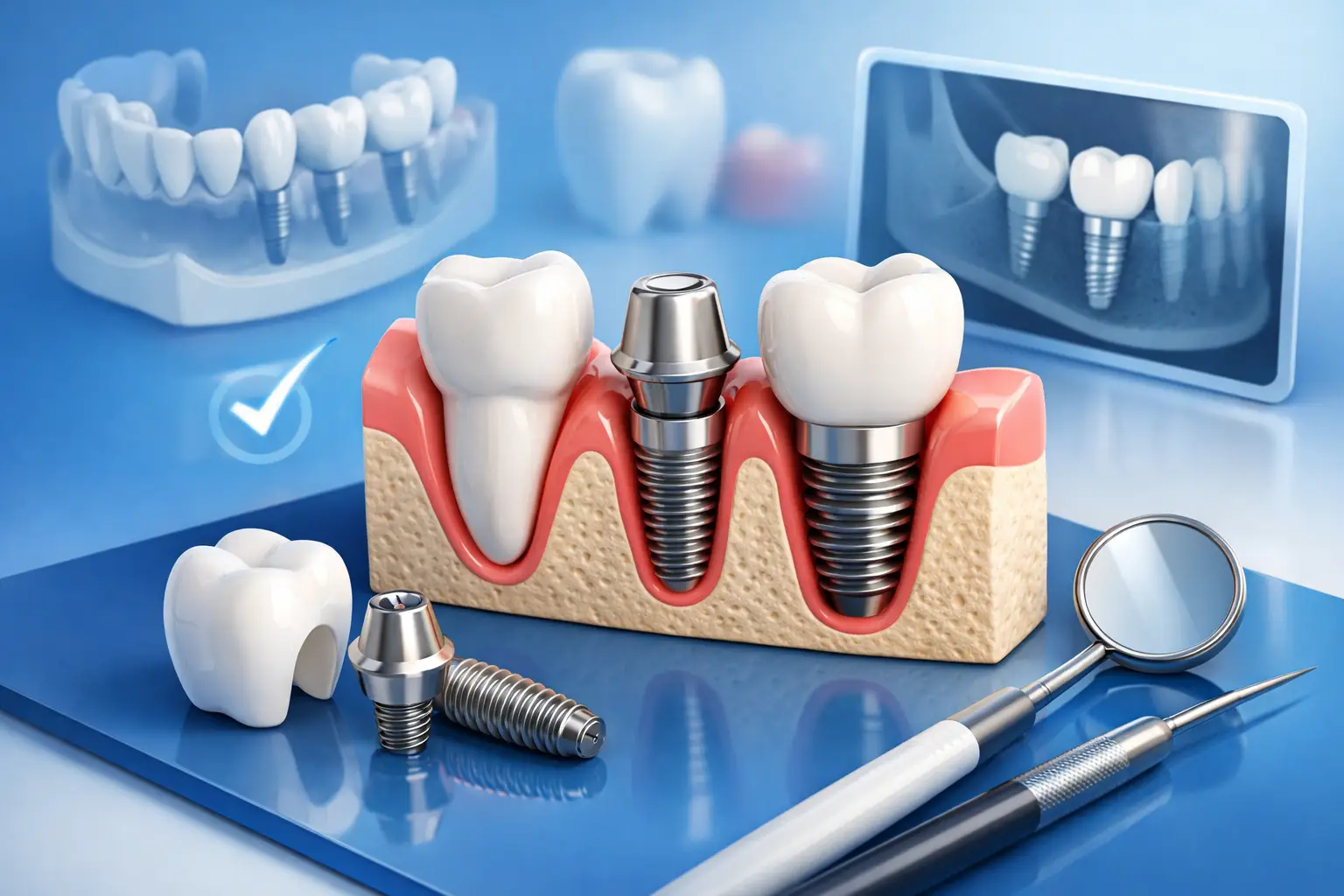
A dental implant is a small titanium fixture placed into the jawbone to act as an artificial tooth root. After healing, it supports a crown, bridge, or, in some cases, a full-arch prosthesis. The goal is not only to fill a gap but to rebuild support in a way that is structurally sound.
This matters because a missing tooth leaves behind more than empty space. The surrounding teeth may drift, the opposing tooth may over-erupt, and the jawbone in that area can gradually shrink. Traditional tooth replacement options may address appearance, but implants are unique in that they integrate with bone and help maintain the underlying structure.
That said, dental implants are not a one-size-fits-all solution. Their success depends on bone quality, gum health, medical factors, bite forces, and careful treatment planning.
Who is a good candidate for dental implants?
A good candidate is usually someone missing one or more teeth who wants a fixed, long-term replacement and has sufficient bone and healthy supporting tissues. Many adults fit this description, but candidacy is always individual.
Some patients are straightforward cases. Others need additional preparation before implant placement is advisable. For example, if a tooth has been missing for a long time, the bone may have narrowed or reduced in height. If gum disease is active, that must be controlled first. If the bite is unstable or the patient clenches heavily, the treatment plan may need to account for greater mechanical stress.
Age alone is rarely the deciding factor. What matters more is whether jaw growth is complete and whether overall oral and medical health support healing. Smoking, uncontrolled diabetes, certain medications, and a history of radiation treatment to the jaws can influence risk, but they do not automatically rule treatment out. They do mean planning needs to be more deliberate.
Why specialist assessment matters
Implant treatment can look simple from the outside. A missing tooth is replaced, a crown is fitted, and the smile looks whole again. In reality, successful treatment often depends on details beneath the gumline that patients cannot see.
A specialist assessment looks at bone volume, bone density, the position of adjacent teeth, sinus anatomy in the upper jaw, and the location of important nerves in the lower jaw. It also considers the relationship between the bite, jaw function, and facial structure. This is especially relevant when tooth loss is part of a larger problem, such as trauma, congenital absence, severe wear, or long-standing collapse of the bite.
In more complex cases, implant placement may need to be coordinated with bone grafting, extraction planning, or corrective jaw procedures. That is one reason many patients benefit from being assessed in a surgical setting where both function and aesthetics are considered together.
The stages of dental implants treatment
Treatment usually begins with consultation, clinical examination, and imaging. Three-dimensional scans are often used to evaluate bone and plan implant position with precision. This stage is where the team determines whether the implant can be placed immediately after extraction, after a short healing phase, or only after additional grafting.
The surgical placement itself is typically performed under local anesthesia, sometimes with sedation depending on the case and patient preference. The implant is inserted into the bone and then left to heal. During this period, the bone bonds to the implant surface in a process called osseointegration.
Healing time varies. In simpler cases with strong initial stability, a temporary tooth may be possible early on. In other situations, especially where grafting is involved or the bite places higher demands on the area, a longer healing period is safer. Once integration is confirmed, the final restoration is made and attached.
Patients are often surprised that much of implant treatment is planning and healing, not just the day of surgery. That is a good thing. The more carefully the foundation is built, the more predictable the long-term result tends to be.
When bone grafting is needed before dental implants
Bone grafting is not uncommon, and needing it does not mean something has gone wrong. It simply means the jaw has lost volume and needs to be rebuilt to support an implant properly.
This may happen after infection, trauma, periodontal disease, or years of missing teeth. In the upper back jaw, the sinus can also limit available bone height. In these cases, grafting may be recommended to create enough support for the implant to be placed in a stable and prosthetically appropriate position.
There is a practical trade-off here. Grafting can lengthen treatment and recovery, but it may significantly improve the strength, position, and longevity of the final result. Skipping grafting when it is genuinely needed may compromise both function and aesthetics.
What recovery usually feels like
Most patients recover from straightforward implant placement more comfortably than they expect. Mild swelling, tenderness, and temporary dietary restrictions are common for a few days. More involved procedures, such as multiple implants or grafting, may require a longer recovery window.
Good aftercare is part of the treatment, not an extra. Patients need clear instructions on cleaning, medications, diet, activity, and follow-up. Healing is usually uneventful when surgery is performed carefully and postoperative guidance is followed closely.
It is also normal for the timeline to feel slower than other dental treatments. Implants are designed to become part of the jaw’s support system. That takes biological healing, and rushing it is rarely in the patient’s best interest.
How long do dental implants last?
Dental implants can last many years and often perform very well over the long term, but they are not maintenance-free. Their longevity depends on surgical placement, restoration design, oral hygiene, gum health, and the forces placed on them during function.
An implant does not get decay, but the surrounding tissues can still become inflamed. Poor plaque control, untreated gum disease, and smoking increase the risk of peri-implant disease, which can threaten bone support. Heavy grinding can also overload an implant or its prosthetic components.
This is why ongoing reviews matter. The implant may feel solid, yet subtle changes in the surrounding tissue can begin without obvious pain. Regular monitoring allows problems to be identified early, when they are easier to manage.
Are dental implants better than bridges or dentures?
It depends on what the mouth needs. Implants offer clear advantages because they do not rely on neighboring teeth for support and can help preserve jawbone. For a single missing tooth, that often makes them an excellent option.
A bridge may still be appropriate in selected cases, especially if adjacent teeth already need crowns. Dentures can remain useful when multiple teeth are missing, particularly if surgery is not suitable or the patient prefers a removable option. In some situations, implants are used to improve the stability of a denture rather than replace it entirely.
The best treatment is the one that fits the anatomy, bite, health profile, and goals of the patient. A good consultation should explain why one option is being recommended over another, not just list possibilities.
Questions worth asking at your consultation
If you are considering dental implants, ask what the underlying cause of tooth loss is, whether bone grafting is needed, how the bite will affect the implant, and what the full treatment timeline is likely to be. You should also understand what kind of restoration is planned, what maintenance will be required, and what the realistic limitations are in your case.
Clear answers build confidence. They also help patients distinguish between treatment that is merely possible and treatment that is genuinely appropriate.
When planned properly, dental implants can do more than replace a missing tooth. They can restore support, function, and comfort in a way that respects both the mechanics of the jaw and the appearance of the smile. The right next step is not to assume they are right for everyone, but to have your case assessed carefully so the treatment matches the biology, not just the gap.