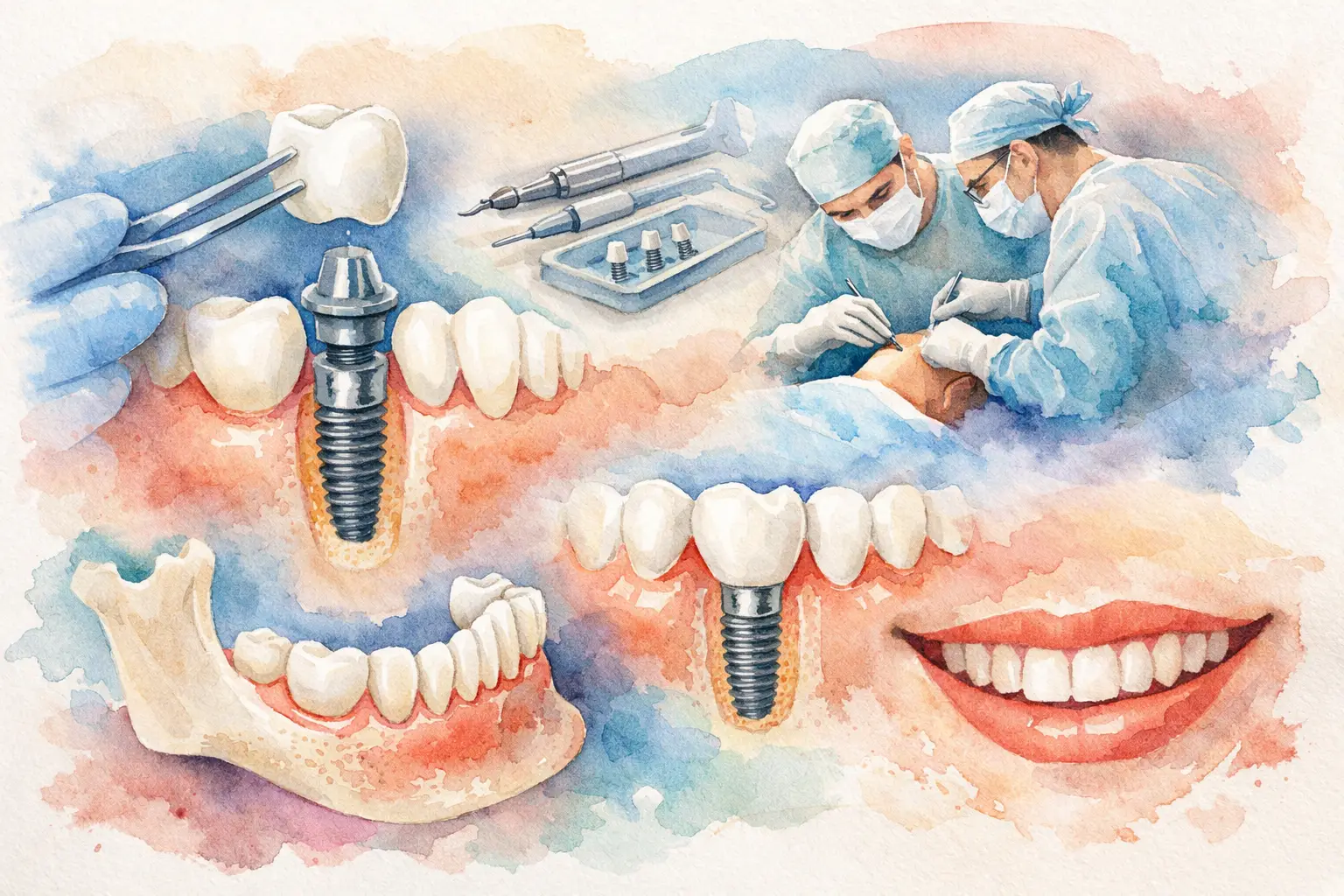
The weeks before jaw surgery can feel surprisingly busy. Appointments, orthodontic changes, medical forms, and questions about recovery often arrive at once. Knowing how to prepare for jaw surgery gives you more control over the process and allows your surgical team to address risks, expectations, and practical needs before your operation.
Corrective jaw surgery, also called orthognathic surgery, is planned to improve the relationship between the upper jaw, lower jaw, teeth, and facial structures. It may support better biting, chewing, speech, breathing, facial balance, or relief of symptoms related to jaw misalignment. Preparation is not simply about getting ready for the day of surgery. It is about creating the best conditions for safe anesthesia, steady healing, and a manageable recovery at home.
Confirm the Treatment Plan and Your Expected Recovery
Your consultation and preoperative visits are the right time to understand exactly what is being planned. Some patients have surgery on one jaw, while others need both jaws repositioned, sometimes with chin surgery or other complementary procedures. The extent of surgery affects the length of your operation, the expected swelling, your diet progression, and how much assistance you may need in the first week.
Ask your oral and maxillofacial surgeon to explain the goals of treatment in clear terms. You should understand which functional concerns are being addressed, what changes may be visible in facial appearance, and what limitations are expected during recovery. If you are having orthodontic treatment, confirm how your surgeon and orthodontist will coordinate the surgical plan and your postoperative bite.
It is also sensible to discuss the recovery timeline in practical terms. Most patients need time away from work, school, social commitments, and strenuous activity. The exact period depends on the procedure, your overall health, and the nature of your responsibilities. Swelling and fatigue are normal early on, and full facial refinement takes longer than the first few weeks.
Complete Your Preoperative Health Checks Carefully
Your surgical team may request blood tests, imaging, dental records, photographs, and an anesthesia assessment. These are not administrative extras. They help the team plan safely, assess your medical fitness, and anticipate details that could affect surgery or recovery.
Give a complete medical history, including prior operations, allergies, bleeding problems, sleep apnea, heart or lung conditions, and any past difficulty with anesthesia. Mention all prescription medicines, over-the-counter pain relievers, vitamins, herbal products, and supplements. Even products that seem harmless can affect bleeding, blood pressure, sedation, or the way your body processes medication.
Do not stop prescribed medication on your own. Your surgeon, anesthesiologist, and prescribing physician can tell you whether to continue, adjust, or temporarily pause a medication before surgery. This is particularly relevant for blood thinners, diabetes medications, weight-loss medications, and drugs used for blood pressure or mental health conditions.
If you smoke, vape, or use nicotine products, tell your surgeon early. Nicotine reduces blood flow and can interfere with wound healing and bone healing. Stopping well before surgery and remaining nicotine-free afterward is one of the most meaningful steps you can take to reduce avoidable complications. Alcohol and recreational drugs should also be discussed honestly, as they may affect anesthesia and recovery.
Prepare Your Body for Healing
You do not need a drastic wellness program before jaw surgery. Consistent basics are more useful: regular meals, adequate hydration, sleep, and gentle activity appropriate for your health. Your body will need energy and protein to heal, particularly when chewing is limited after surgery.
Aim for a balanced diet before the procedure, with protein-rich foods, fruits, vegetables, and adequate fluids. If you have lost weight because chewing has been difficult, or if you have dietary restrictions, ask whether a dietitian can help you plan for recovery. Patients who enter surgery undernourished may find the liquid and soft-food stages more challenging.
Follow the fasting instructions provided by your surgical team exactly. Eating or drinking too close to anesthesia can create serious risks. Instructions vary based on the type of anesthesia and your health history, so rely on the directions given to you rather than general advice from friends or online forums.
Set Up a Recovery Space Before You Leave for Surgery
The first days after jaw surgery are easier when your home is organized in advance. Choose a quiet place where you can rest with your head elevated and keep essentials within reach. Extra pillows or a supportive wedge can help you sleep more comfortably and may reduce swelling.
Stock your kitchen with the foods and supplies approved by your surgeon. Early recovery commonly involves liquids, followed by blended or soft foods, but the progression differs between patients and procedures. Useful options may include nutritional drinks, soups without chunks, yogurt, smoothies, protein supplements, mashed foods, and ingredients for blended meals. Avoid assuming that a straw is safe. Some surgical plans require patients to avoid straws because suction can place unwanted pressure on healing tissues.
Have a few practical items ready: a thermometer, lip balm, a water bottle or cup suited to your instructions, prescribed oral hygiene supplies, soft washcloths, and ice or cold packs if recommended. Prepare loose, comfortable clothing that does not need to be pulled over your head. Small details matter when you are tired, swollen, and adjusting to a new diet.
Arrange Support for the First Several Days
You will need a responsible adult to take you home after anesthesia and stay with you according to your surgeon’s instructions. Even patients who feel alert shortly after surgery can become tired or nauseated later, and it is helpful to have someone available to assist with medications, fluids, meals, and communication.
Choose a support person who understands the basics of your recovery plan. They should know your medication schedule, emergency contact details, follow-up appointment times, and the warning signs your surgeon wants you to report. Because speech can be difficult initially, keep a phone, charger, and a simple note-taking method nearby so you can communicate comfortably.
Plan ahead for responsibilities that may be hard to manage. Arrange leave from work or school, postpone nonessential appointments, prepare childcare or pet care, and consider how you will get to follow-up visits. Recovery is not the time to prove that you can do everything independently.
Understand Your Medication and Oral Care Instructions
Before surgery, ask how pain relief, nausea prevention, antibiotics, and any other prescribed medicines will be used. Write down the schedule or have your caregiver do so. Taking pain medication as directed in the early period can prevent pain from becoming harder to control, but you should never exceed the prescribed dose or combine medications without approval.
Oral hygiene is especially important after jaw surgery, yet it must be gentle. Your team may recommend a prescription mouth rinse, a soft toothbrush, or a specific technique for cleaning around surgical sites and orthodontic appliances. Follow these instructions closely. Do not use vigorous rinsing, brushing, or commercial products unless your surgeon has said they are appropriate.
If elastics are part of your treatment, learn their purpose and how to manage them before surgery. Your team will explain whether they guide your bite, when they should be changed, and what to do if one breaks. Do not alter elastic placement based on guesswork.
Know Which Symptoms Need a Call
Swelling, bruising, temporary numbness, nasal congestion, tiredness, and difficulty opening the mouth can be expected after many jaw procedures. Your surgeon should explain what is normal for your specific operation and how symptoms should improve over time.
Contact your surgical team promptly if you have trouble breathing, heavy or persistent bleeding, uncontrolled vomiting, fever, worsening pain that is not relieved by prescribed medication, signs of dehydration, or swelling that suddenly worsens. If there is an emergency, seek urgent medical attention. It is far better to ask about a concerning symptom than to wait and hope it resolves.
Use Your Preoperative Appointment to Ask Direct Questions
A final preoperative visit is an opportunity to replace uncertainty with a plan. Ask about arrival time, fasting, expected hospital stay, diet stages, activity restrictions, work or school leave, and the timing of follow-up care. If you have concerns about facial changes, numbness, scarring, breathing, or orthodontic treatment, raise them directly.
The goal is not to memorize every detail at once. It is to leave with clear written instructions, the right support, and confidence that you know who to contact. At Aesthetic Reconstructive Jaw Surgery, careful preparation is treated as part of the surgical care itself: a well-informed patient is better positioned to focus on rest, healing, and the long-term benefits of treatment.