A surgeon can move the jaws by a few millimeters and change far more than a profile. Bite function, airway support, facial balance, speech, and long-term joint comfort can all be affected by the quality of planning and execution. That is why the search for the best aesthetic jaw surgeon should never start with before-and-after photos alone.
Jaw surgery sits at the intersection of function and appearance. Patients often begin the process because they dislike a weak chin, a protrusive lower jaw, facial asymmetry, or a gummy smile. Just as often, they also have chewing difficulty, sleep-disordered breathing, TMJ symptoms, or orthodontic issues that cannot be corrected with braces alone. The right surgeon understands that these problems are connected, and that treatment should be planned around the whole face and the whole patient.
What the best aesthetic jaw surgeon really means
The phrase best aesthetic jaw surgeon can be misleading if it is reduced to marketing language. In clinical practice, the better question is this: who has the specialist training, surgical judgment, and aesthetic understanding to improve facial harmony without compromising function?
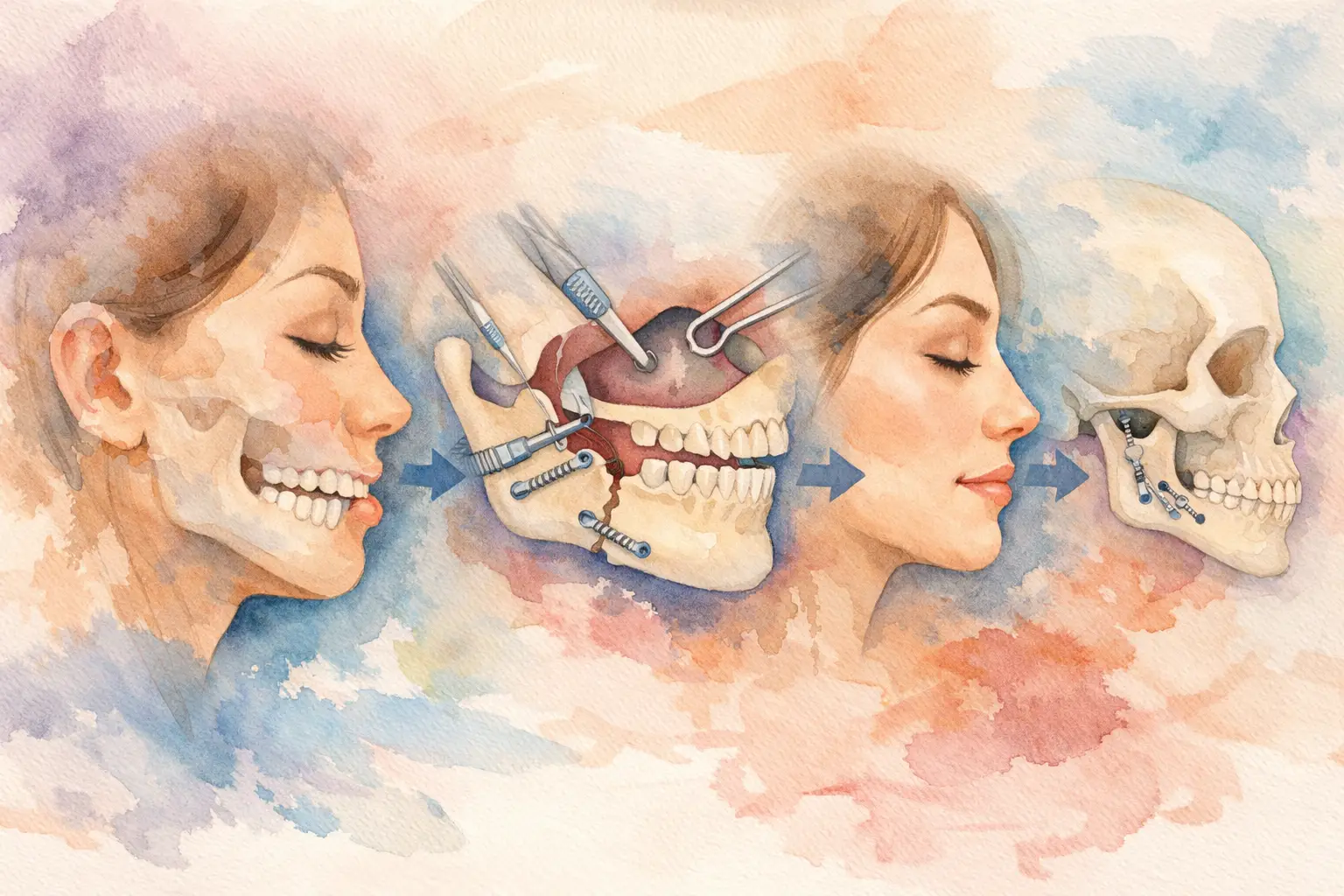
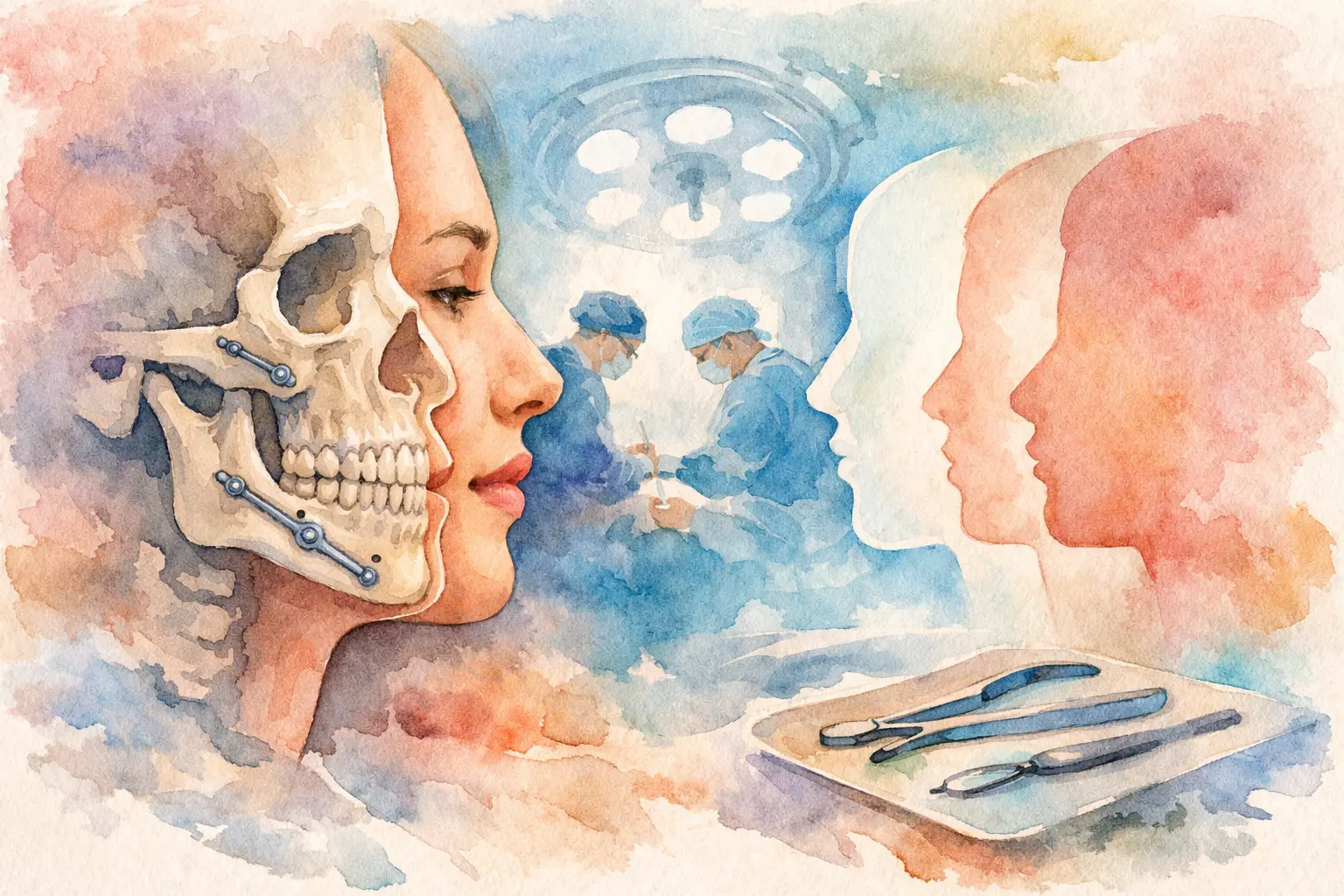
A qualified jaw surgeon for this type of treatment is typically an oral and maxillofacial surgeon with specific experience in orthognathic surgery and facial skeletal procedures. That matters because aesthetic jaw surgery is not the same as performing isolated cosmetic treatments. Repositioning the upper jaw, lower jaw, chin, or a combination of these structures requires precise diagnosis, stable fixation, careful airway and bite planning, and close coordination with orthodontic care when needed.
A strong aesthetic result is not simply about making the face smaller, sharper, or more symmetrical according to trends. It is about proportion. Some patients need advancement rather than reduction. Others need rotation of the jaws, correction of cant, chin refinement, or staged planning that prioritizes health and stability first. Good surgeons resist one-size-fits-all ideals.
Credentials matter, but so does case focus
When comparing surgeons, credentials are the starting point, not the finish line. Specialist training, hospital privileges, board recognition where applicable, and leadership roles in oral and maxillofacial surgery all help establish professional credibility. These markers suggest a higher level of surgical exposure and accountability.
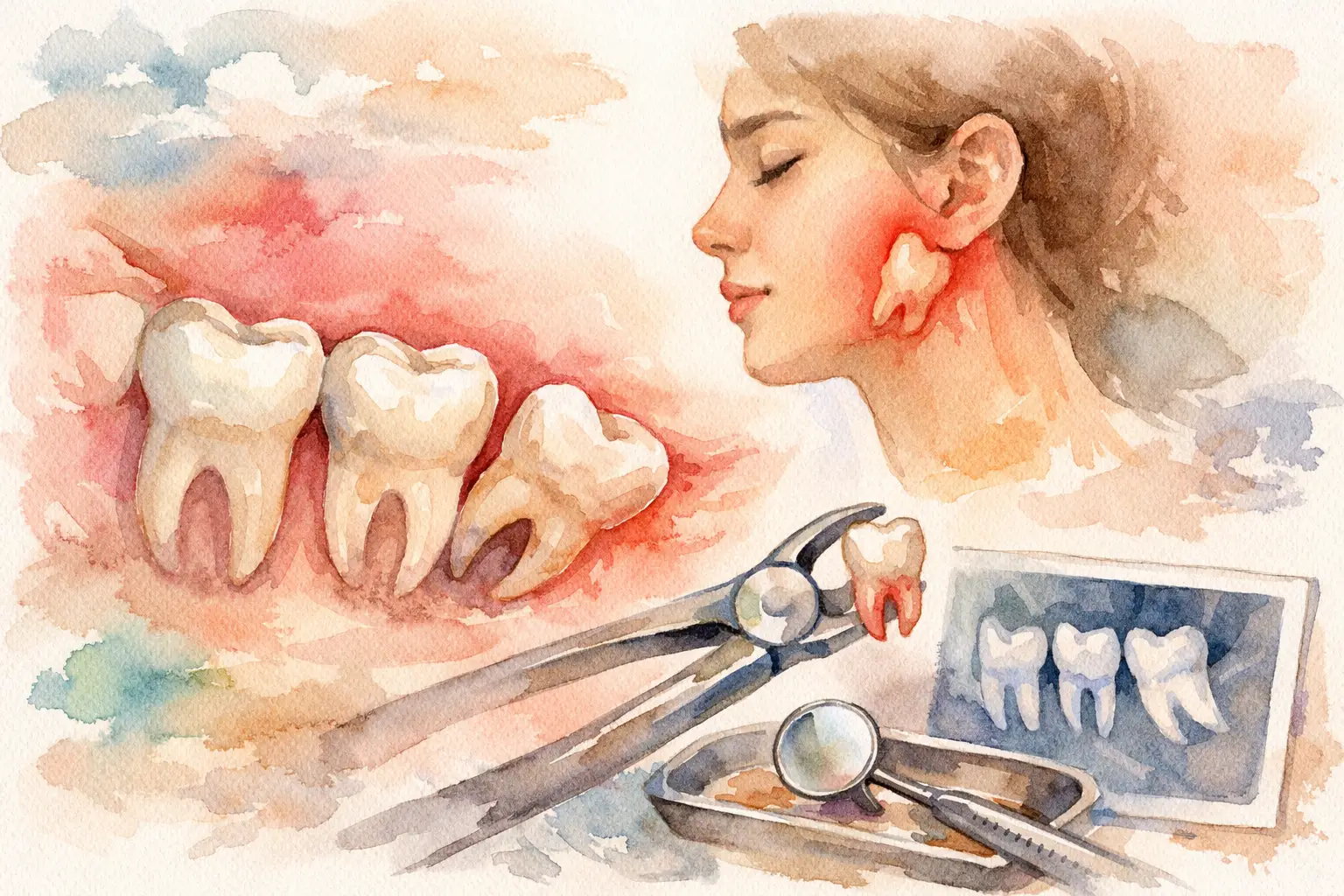
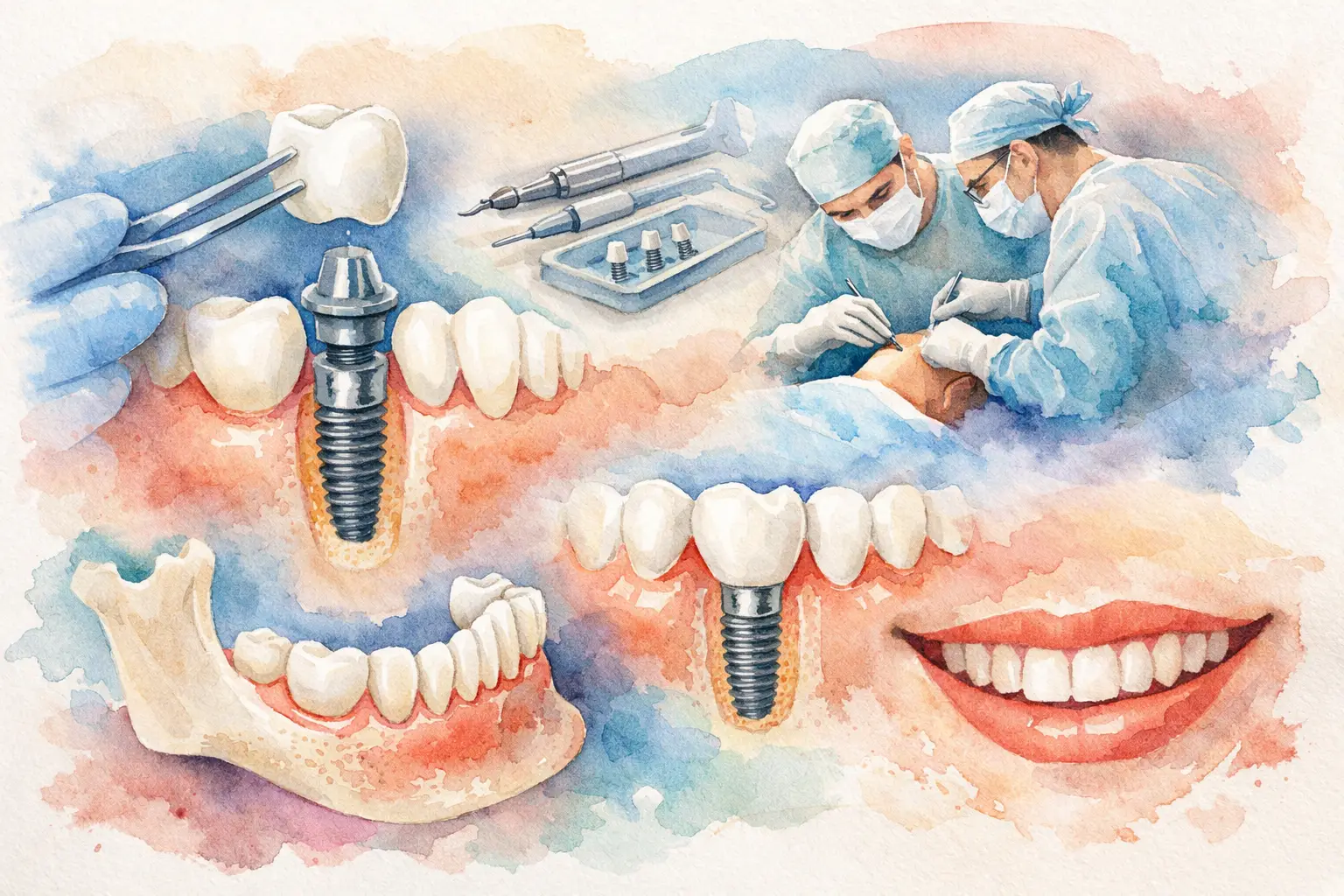
But experience should be specific. A surgeon may be highly accomplished in wisdom tooth removal or dental implants and still not have the same depth in complex aesthetic and reconstructive jaw surgery. If your concern involves jaw position, facial asymmetry, long-face appearance, retrusion, or a severe bite discrepancy, you should look for a practice where orthognathic and facial skeletal surgery is a core part of the work, not an occasional service.
That distinction is especially important for patients with combined functional and cosmetic concerns. The best aesthetic jaw surgeon for a straightforward chin procedure may not be the best choice for a patient who also has airway compromise, open bite, or major skeletal asymmetry.
How a specialist evaluates your face and bite
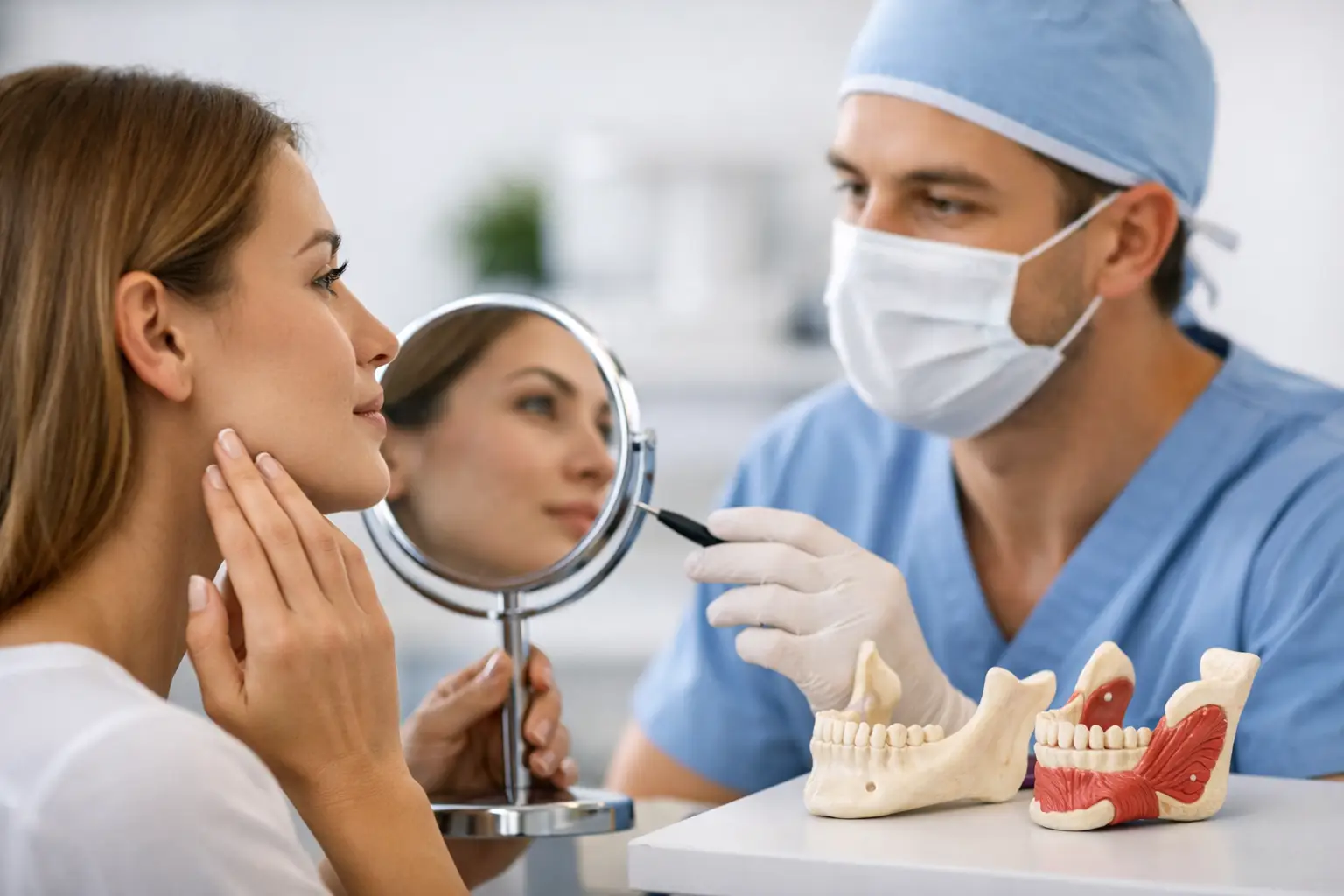
A careful consultation usually reveals more about a surgeon than any online gallery. Strong surgeons do not rush to recommend a procedure after a quick visual assessment. They take a structured approach that includes facial analysis, bite evaluation, dental relationship, jaw joint history, airway considerations, and your personal goals.
You should expect a discussion about what bothers you, but also what the surgeon sees clinically. Sometimes patients focus on the chin when the underlying issue is maxillary deficiency or mandibular position. In other cases, what looks like asymmetry from the front is partly due to occlusion or soft tissue compensation. Proper diagnosis is what separates thoughtful surgery from cosmetic guesswork.
Imaging and digital planning are also part of modern care. Three-dimensional scans, cephalometric analysis, photographic assessment, and model-based or virtual surgical planning help predict movement and improve precision. Technology alone does not make someone the best aesthetic jaw surgeon, but it does support safer, more accurate treatment when used by an experienced specialist.
Aesthetic judgment is not the same as aggressive change
One of the most common mistakes patients make is assuming that a dramatic result is automatically a better one. In jaw surgery, overcorrection can look unnatural, while undercorrection may leave functional and aesthetic concerns unresolved. The most reliable outcomes usually come from a surgeon with disciplined aesthetic judgment.
That means understanding facial thirds, chin-neck relationship, lip support, smile display, tooth show, and profile balance in motion as well as at rest. It also means recognizing ethnic facial norms, sex-based differences in skeletal contours, and the patient’s own preferences. Some patients want meaningful change. Others want subtle refinement while preserving familiar facial identity. Both goals are valid, and both require careful planning.
A patient-centered surgeon will explain trade-offs clearly. Advancing the jaws may improve profile support and airway dimensions, but it changes facial projection. Reducing prominence in one area may alter another. A chin procedure may help lower facial balance, but it cannot correct a true bite discrepancy. Good decisions come from understanding these relationships before surgery, not after.
Questions worth asking at consultation
If you are trying to identify the best aesthetic jaw surgeon for your needs, ask practical questions and pay attention to the quality of the answers. You want to know whether the surgeon regularly manages cases like yours, how treatment planning is performed, what role orthodontics may play, and how recovery is monitored.
It is also reasonable to ask how the surgeon approaches both functional and cosmetic goals, what risks are most relevant in your case, and what a realistic timeline looks like. Clear discussion of nerve changes, swelling, diet modification, relapse risk, and healing milestones is a good sign. Overly simple promises are not.
Communication style matters more than many patients expect. Complex surgery requires trust. If you feel rushed, talked down to, or pressured into a fixed plan before your questions are fully addressed, that is worth noticing. The right surgeon should be authoritative without being dismissive, and reassuring without minimizing the seriousness of treatment.
Recovery and long-term outcomes should be part of the decision
Choosing a surgeon is not only about the operation itself. It is also about preoperative preparation, hospital care, follow-up, and long-term stability. Jaw surgery affects daily life for weeks and sometimes months. Patients need structured guidance on swelling, pain control, oral hygiene, nutrition, activity, and staged healing.
A specialist practice with comprehensive surgical experience is often better equipped to manage the full journey, especially if your treatment includes orthodontic coordination, bone grafting, implant planning, TMJ assessment, or airway-related concerns. This integrated approach can reduce fragmentation and help ensure that aesthetic goals are supported by stable function.
Long-term thinking is essential. The best aesthetic result is one that still looks appropriate after swelling resolves, soft tissues adapt, and the bite settles. Stability depends on sound diagnosis, careful movement planning, and proper healing support. It is not just about what looks good in the first few weeks.
The best choice is the surgeon who fits your case
There is no universal answer to who the best aesthetic jaw surgeon is for every patient. A young adult with severe class III asymmetry, a professional concerned about profile retrusion, and a patient with obstructive sleep apnea may all need different surgical strategies and different priorities in planning.
What should remain constant is the standard you apply. Look for specialist-level training, substantial experience in jaw and facial skeletal surgery, a disciplined approach to diagnosis, a clear understanding of aesthetics, and a consultation style that leaves you better informed rather than more confused. Those are the signs of a surgeon who treats the face with both technical precision and respect.
For patients seeking care through a specialist practice such as Aesthetic Reconstructive Jaw Surgery, the goal is not simply to change appearance. It is to restore balance between structure, function, and confidence in a way that is individualized and clinically sound.
A well-chosen jaw surgeon does more than perform an operation. They help you make a serious decision with clarity, realism, and a treatment plan built around the outcome that matters most to you.