

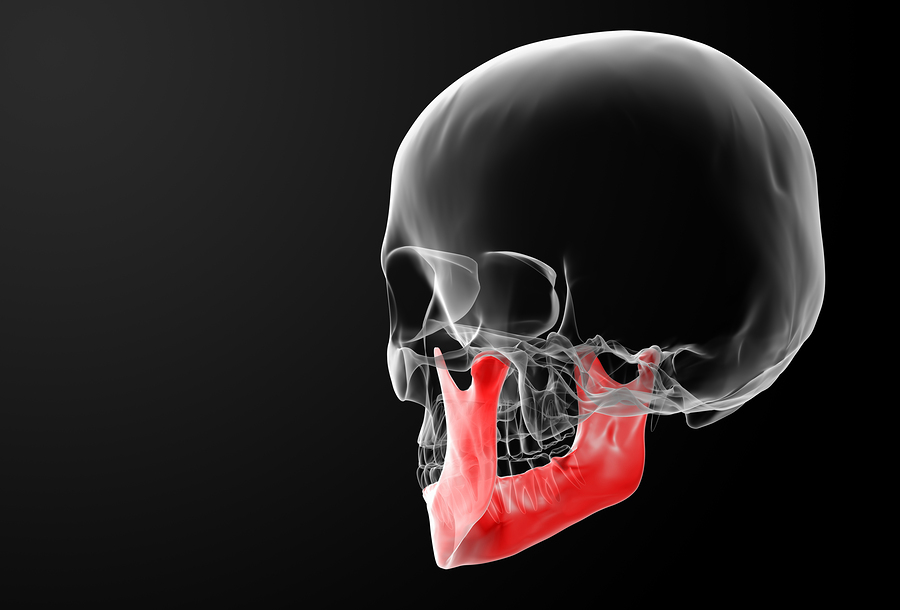
Has your dentist or orthodontist recommended jaw surgery for you? If so, you probably have a number of questions about what to expect throughout the process. While specific questions about your case will have to be answered by your oral and maxillofacial surgeon, we can offer some general information about what happens in jaw surgery in Singapore for the average patient.
Why Jaw Surgery in Singapore is Done
Jaw surgery, also commonly called corrective jaw surgery or orthognathic surgery, is necessary when a person’s jaws and/or teeth do not line up properly. Called a skeletal malocclusion, poorly aligned or mismatched jaws can result in conditions that include overbite, underbite, open bite or cross bite. All of these bite problems can cause functional issues, impairing a person’s ability to bite and chew efficiently or speak clearly. Excessive tooth wear is also quite common with these conditions, which can result in tooth damage and decay, as well as increasing a person’s risk of developing gum disease. Misaligned jaws also quite frequently cause aesthetic issues, which can have a dramatic impact on a person’s self confidence and self-esteem. Most common are a protruding or elongated lower jaw in cases of underbite, or protruding upper front teeth and a receding chin in cases of overbite. With jaw surgery in Singapore, these functional and aesthetic issues can be corrected.
What Happens in Jaw Surgery in Singapore
Corrective jaw surgery is a process that involves both orthodontic and surgical treatment. The average treatment plan consists of several months of orthodontic care – usually braces – to position teeth in preparation for surgery, moving them into appropriate positions for the soon-to-be well-aligned jaws. Then surgical treatment is done by a Singapore oral and maxillofacial surgeon, during which the jaws will be resized, reshaped or repositioned as necessary for proper alignment. To do this, your surgeon will make incisions – most often inside the mouth to avoid visible scarring – to access the jaw bones. To correct jaw alignment, your surgeon may remove bone tissue in order to move a protruding jaw back, or separate bones with surgical plates to move the upper or lower jaw forward. After a healing period – generally about 8 weeks – most patients will require a few more months of orthodontic care to perfect tooth alignment in relation to their newly aligned jaws.
Your Final Results
Once the entire process is complete, which, depending upon your specific care needs, generally takes between 12 and 24 months, you can expect eating to be an easier and more comfortable experience. If your malocclusion has caused speech issues, these should be resolved as well. Additionally, having your jaws and teeth aligned properly will change your appearance, improving facial symmetry and harmony and providing a more attractive smile.


I have read many questions and comments about aesthetic and corrective jaw surgery in this blog. None discussed about narrowing/corrective wide lower jaw/square jaw. I have one. Can dr. Chan and friends correct a square jaw smaller or become a v -line shape?