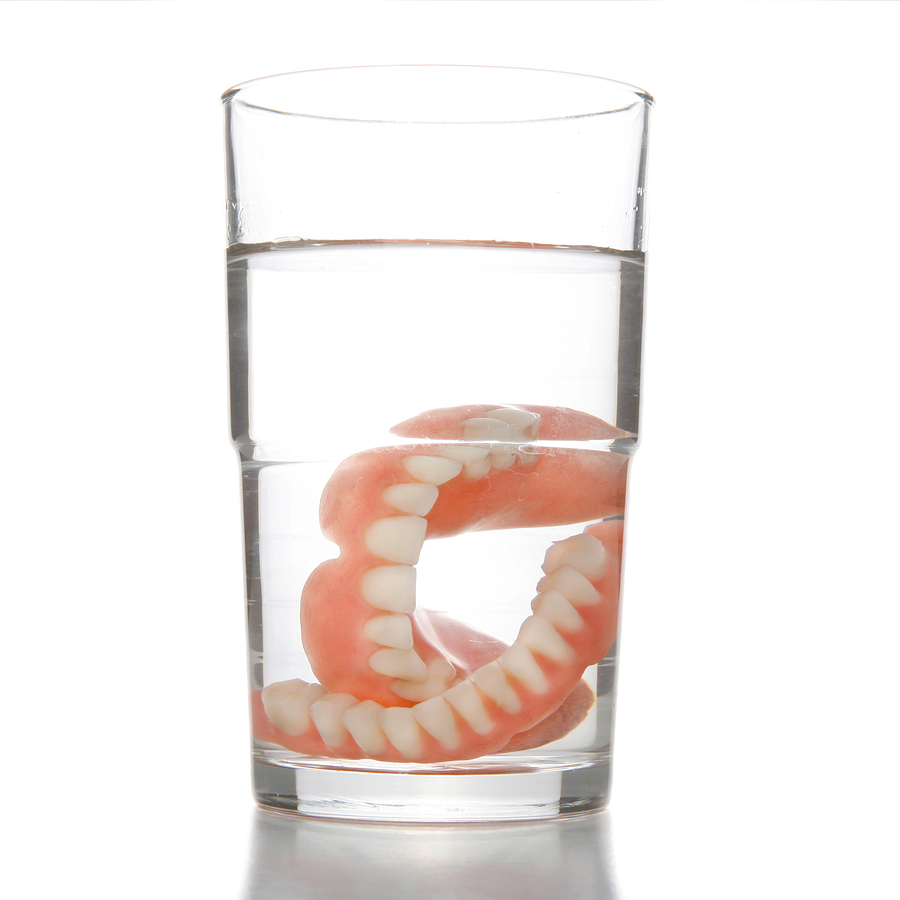
If you have just been fitted with your first set of dentures or are currently going through the process, you’ve probably been told that adjustments may be necessary during the first few months with your new dentures to perfect the fit. However, it is important to know that adjustments will be a fairly regular need every few years after that perfect fit has been achieved, and those adjustments are very necessary to maintain good oral health and function. So how do you know when your dentures in Singapore need adjusting? And how can you make loose dentures fit better?
Why Dentures Need Periodic Adjustments
Dentures rest on the gum ridge and are designed to fit the contours of the gums precisely for proper support and retention. However, those contours change over time in a toothless jaw. That’s largely due to bone loss in the jaw – a process called resorption – that causes shrinkage in the bone underneath the gums. Resorption occurs, inevitably, as a consequence of the loss of natural teeth, the bone tissue that once held the tooth roots in place melting away with disuse. As that happens, support for dentures erodes, changing the way they fit. For that reason, dentures must be adjusted, relined or replaced every few years to maintain a comfortable fit and efficient oral function.
Dentures in Singapore: Common Signs That Dentures Need Adjusting
The best way to know when your dentures need adjusting is to see your dentist once a year for an examination of your oral health and denture fit. However, between those visits, there are a number of telltale signs that can indicate that your dentures are not fitting as well as they should.
Among the denture problems to watch for is increased mobility of the denture – so if yours feel as if they are moving around more than usual, it’s time to have them looked at by your dentist. Often, that mobility can cause gum irritation, so if you’re noticing sore spots under your dentures, swelling in your gums or mouth sores, these are signs of loose dentures. If your dentures slip or make clicking noises during normal use or cannot be securely retained without denture adhesives, you’re definitely due for an adjustment. Other signs that you need your dentures adjusted may include jaw pain, difficulty with normal biting and chewing, or changes in the way you speak, such as slurring.
Why Good Denture Fit is Essential
If your dentures are showing the signs of a deteriorating fit, it is important to have adjustments made as soon as possible, since ill-fitting dentures can cause a variety of issues with oral health. The gum irritation caused by loose dentures can lead to mouth sores, infection or even contribute to the development of oral cancer. Poor denture fit can place excess pressure on the gums, which can accelerate bone loss, making it much harder – and sometimes even impossible – to achieve secure denture retention in the future.
Then there are the quality-of-life issues, including difficulties eating favorite foods and the embarrassment that denture slipping can cause in social situations. So if your dentures aren’t fitting as well as they should, don’t make do with adhesives, make an appointment and have them adjusted.