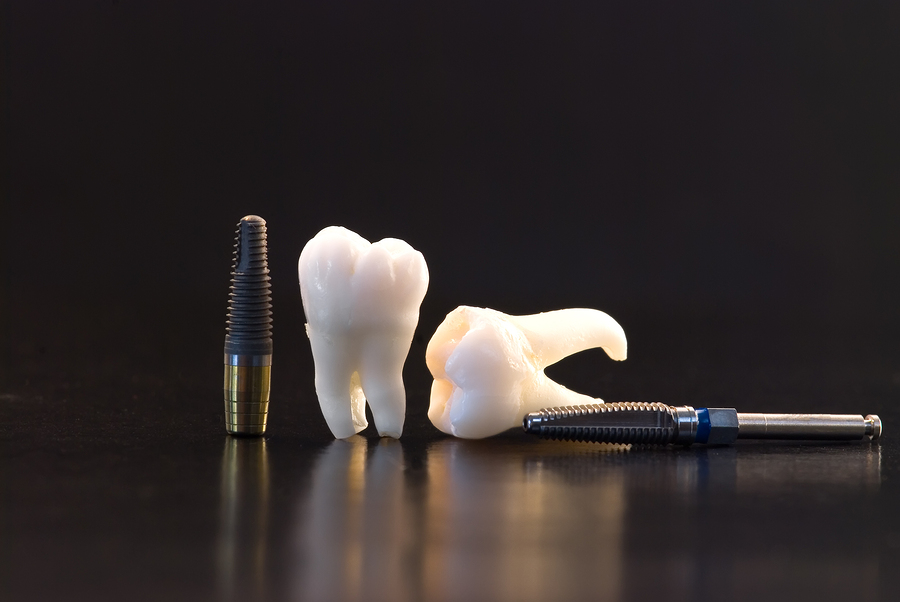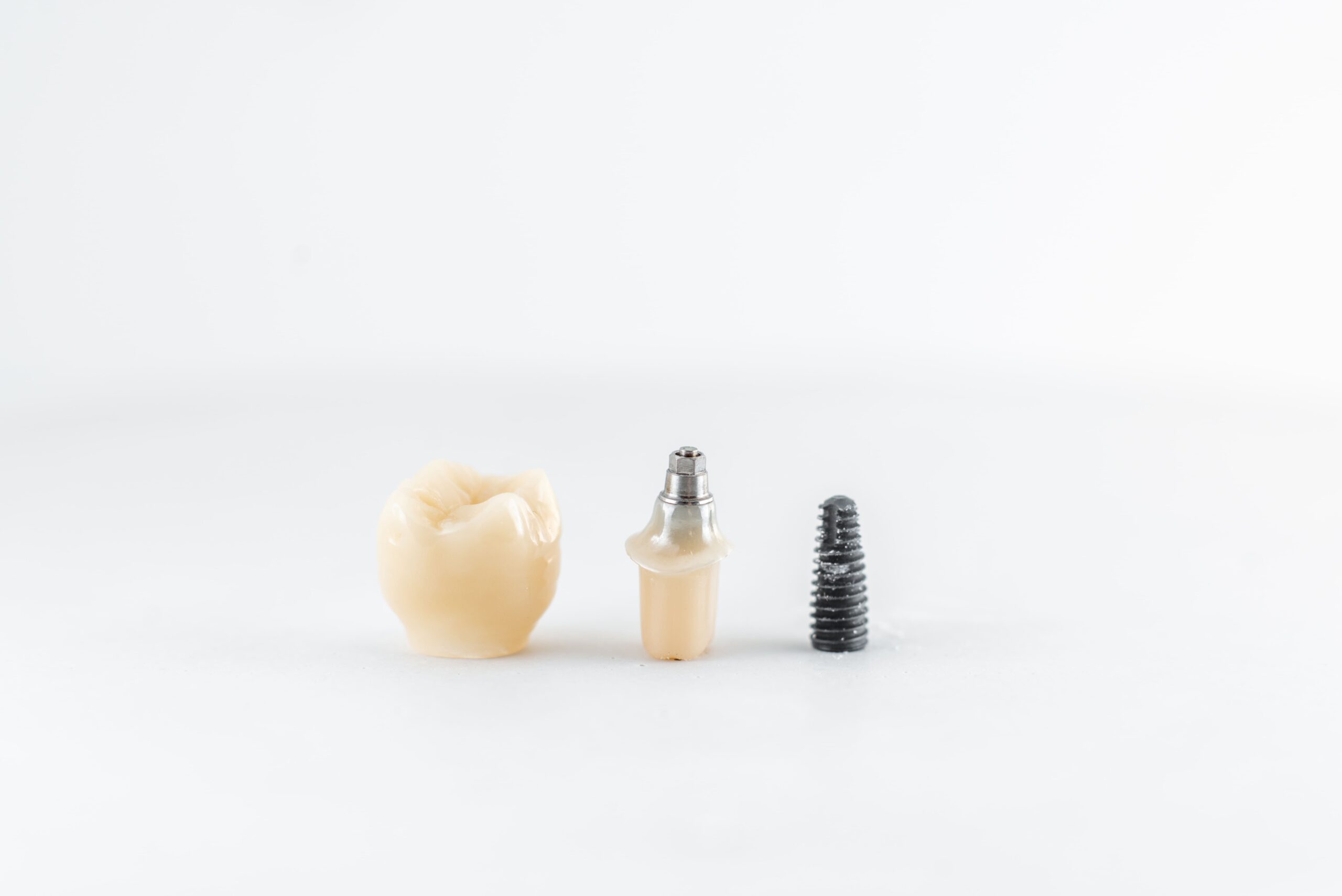
Cement-retained dental implant crowns use cement to fit a crown to a dental implant, in contrast to screw-retained dental implant crowns, which allow the crown to be fastened and removed using a screw through an access hole. While cement-retention systems may offer a simpler solution , they present unique limitations that can impact maintenance, longevity, and clinical flexibility.
This article outlines the key challenges associated with cement-retained dental implant crowns to help you make informed decisions during treatment planning.
Key Limitations of Cement-retained Dental Implants
Cement-retained dental implant crowns present several challenges that may affect long-term success, maintenance, and flexibility. While they are used in specific clinical scenarios, it’s important to understand their limitations before deciding on this treatment approach.
Maintenance and Reversibility Challenges
One of the main limitations with this approach is the difficulty in accessing the crown and implant after placement. If maintenance is needed, the cemented crown often must be destroyed to gain access.
Removal challenges: If complications occur, the crown cannot be unscrewed and must be cut off, often requiring full replacement.
Cleaning limitations: Professional cleaning around the implant is more difficult without the option to remove the crown.
Repair complexity: Adjustments or bite corrections become more involved compared to the removable nature of screw-retained crowns.
Cement-Related Complications
Cement residue left below the gum line is a known risk factor for peri-implant inflammation and implant failure. This issue is specific to cement-retained systems and harder to detect or correct once the crown is fixed.
Gum inflammation: Excess cement may cause chronic irritation, leading to conditions such as peri-implantitis.
Tissue irritation and bone changes: Long-term exposure to cement remnants can damage surrounding gum and bone tissue.
Detection difficulty: Cement cannot always be visualised clearly on X-rays, making diagnosis of related complications less straightforward.
Limited Adjustability and Aesthetic Considerations
Cemented crowns offer limited options for bite correction or fine-tuning once placed, and aesthetic issues may arise over time.
Fine-tuning post-placement: Bite or position adjustments made after cementation can only be polished intraorally instead of being done in the laboratory using industrial grade equipment.
Gum recession concerns: The margin where the crown meets the gum may become visible over time.
Cement line discolouration: Cement at the crown edge can darken or become visible with age or tissue changes.
Cost Considerations
Although upfront costs may appear lower than screw-retained dental implant crowns, cement-retained systems can lead to higher cumulative expenses due to their design limitations.
Crown replacement: If problems arise, the crown must often be remade rather than repaired.
More complex maintenance: Managing complications typically requires specialist intervention, adding time and cost.
Higher lifetime servicing needs: Permanent crowns limit preventive and corrective procedures that are simpler with screw-retained designs.
When Screw-retained Dental Implant Crowns May Be Preferred
There are several scenarios where a screw-retained dental implant crowns may offer more practical advantages over a cement-retained option:
Back teeth: Areas subject to high bite pressure often benefit from the accessibility and stability of screw-retained crowns.
History of gum disease: Patients with prior inflammation or infection risk may need easier hygiene access.
Bite adjustment needs: Cases requiring ongoing or future bite corrections are better suited to removable crowns.
Multiple implants: When treating several teeth at once, screw-retained systems allow greater rigidity and strength of the prosthesis and more even loading of the dental implants.
Conclusion
While cement-retained dental implants may appear seamless on the surface, their permanent cemented design introduces limitations in maintenance, reversibility, and long-term clinical flexibility. These factors can affect both cost and outcomes over time.
Discuss your oral health history, bite pattern, and hygiene routine with your dental provider to determine whether a cement-retained system is appropriate, or whether a screw-retained dental implant may offer a more adaptable and serviceable long-term solution.